
For many CEOs, especially founders, being deeply involved in the business is what drove early success. Every decision moved faster. Every hire felt higher stakes. Every issue seemed to require direct oversight.
That works for a while.
But at a certain stage, the same leadership model that helped build the company can start to slow it down.
That was the focus of a recent Chief Executive Coaching webinar featuring Marshall Cooper, CEO of Chief Executive Group, and Russ Howard, former founder and CEO of multiple growth-stage companies.
In the webinar, Marshall described that shift plainly: what looked like strong leadership was actually creating a business that could not grow past the CEO. What felt responsible at one stage had quietly become a bottleneck.
Early on, centralized decision-making often makes sense. The CEO sees the full picture, moves quickly and relies on instincts that have usually been proven right many times before. That creates habits that are hard to break.
Marshall described four common reasons CEOs can fall into this:
The challenge is that growth changes the job. Problems become more complex. More people need to make sound decisions without waiting for the CEO. What worked at $5 million or $10 million starts to create drag at the next stage.
A big part of the conversation focused on the transition from roughly $10 million to $50 million in revenue.
Marshall called it the point where the old playbook is still in use, but the business has outgrown it.
Russ added that this is often where CEOs are still working long hours and still feel behind, because the answer is no longer more effort. It is a different relationship to the role.
By the time a company moves into the next stage, the CEO’s role has to shift from doing to enabling.
Their time should move away from execution and toward the work that drives scale: strategy, talent, capital allocation, culture and leadership team performance. When that shift does not happen, the CEO becomes a risk to growth rather than a driver of it.
That is what makes this transition difficult. It is not just a matter of changing responsibilities. It requires the CEO to change how they think about their role.
This is usually not a skill problem. It is an identity problem. Many CEOs built their success around being the person who knows, decides and fixes. Letting go can feel like losing control. In practice, it is a move to a higher level of leadership.
Russ framed the transition in three shifts:
These shifts are where many CEOs get stuck. They understand the need to delegate, but the real challenge is that delegation without trust, structure and stronger leadership underneath rarely works.
Many CEOs do start delegating, but only partway. They change titles, create structure and talk about accountability, but still stay close enough to override decisions or pull work back in.
Marshall spoke candidly about that tension. In his case, the breakthrough was realizing that his job was not to have the best answer. It was to build the conditions where the right answer could emerge without him. Sometimes, even having the right answer was not helpful if it kept the organization dependent on him.
Part of the reason this breaks down is that the team is often not ready for the next stage either.
When Russ was asked about the most common mistake CEOs make in the $10 million to $50 million range, his answer was direct: they have not developed the people around them enough for the company’s next stage.
That often shows up in two ways:
That does not always mean replacing leaders. But it does mean being honest about which roles require new capabilities, which people can grow into them and where outside talent may be needed.
That is also why stepping back cannot be all-or-nothing. One concern that comes up often is mistakes. If the CEO steps back, something will go wrong.
Russ’s advice was practical: start small. Delegate lower-risk responsibilities first. Build confidence and accountability over time. When mistakes happen, address them directly and privately, not in a group setting. The goal is not to remove accountability. It is to create the kind of leadership environment where people can make decisions, learn and improve.
That is how the business gets stronger without everything flowing back through the CEO.
This is also where coaching can help. A clear distinction Russ made was that coaching is not consulting.
Coaching is not a generic playbook or an outside expert dropping in with a standard answer. It is a thinking partner who has sat in the seat, can help identify the real constraint and can offer perspective that is hard to get in isolation.
For CEOs dealing with founder dependency, that outside perspective can help accelerate decisions, strengthen the team and create more space to focus on the work only the CEO should be doing.
CEO dependency rarely looks like a problem at first. It usually looks like commitment, high standards and leadership.
But growth changes the job. At some point, the company needs more than a capable operator at the center of everything. It needs a leader who can build the people, systems and accountability to scale beyond them.
That is the shift. And for many CEOs, it is the one that matters most.

If this sounds familiar, you are not alone. Many CEOs hit this point as the business grows and the role starts to change faster than expected.
Chief Executive Coaching works with CEOs who are navigating that transition, from founder-led decision making to a leadership model built for scale. Our coaches are all former CEOs, matched by stage, industry and the challenge you are working through.
Interested in Learning More?
If you’re curious about how coaching can benefit you and your organization, we invite you to schedule a complimentary discovery call.
It’s a no-commitment opportunity to discuss your goals and see how our coaches can help enhance your leadership and business success.
Your privacy is paramount. Learn more about how we protect your data here.
0
1:00 - 5:00 pm
Over 70% of Executives Surveyed Agree: Many Strategic Planning Efforts Lack Systematic Approach Tips for Enhancing Your Strategic Planning Process
Executives expressed frustration with their current strategic planning process. Issues include:
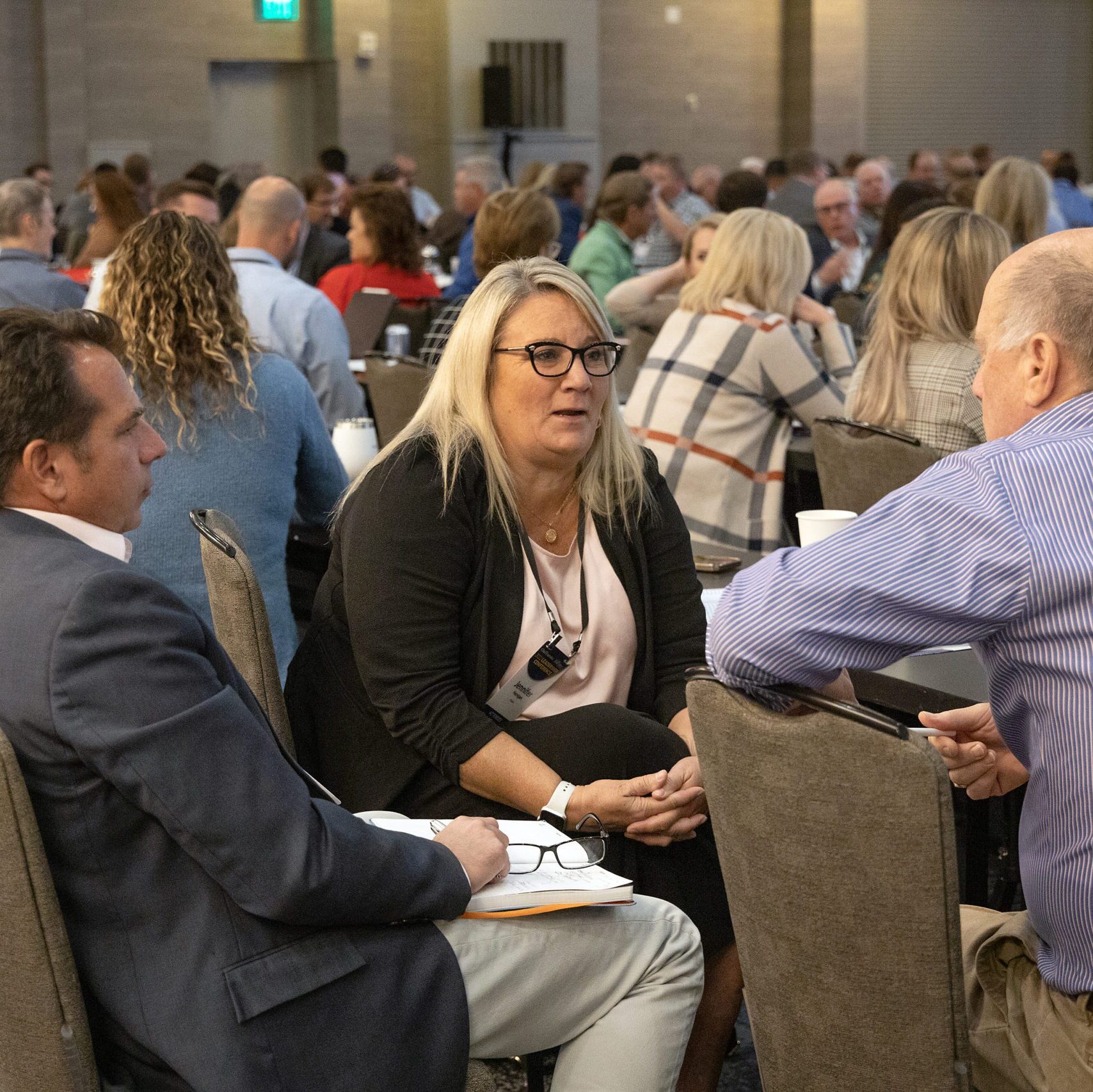
Steve Rutan and Denise Harrison have put together an afternoon workshop that will provide the tools you need to address these concerns. They have worked with hundreds of executives to develop a systematic approach that will enable your team to make better decisions during strategic planning. Steve and Denise will walk you through exercises for prioritizing your lists and steps that will reset and reinvigorate your process. This will be a hands-on workshop that will enable you to think about your business as you use the tools that are being presented. If you are ready for a Strategic Planning tune-up, select this workshop in your registration form. The additional fee of $695 will be added to your total.
2:00 - 5:00 pm
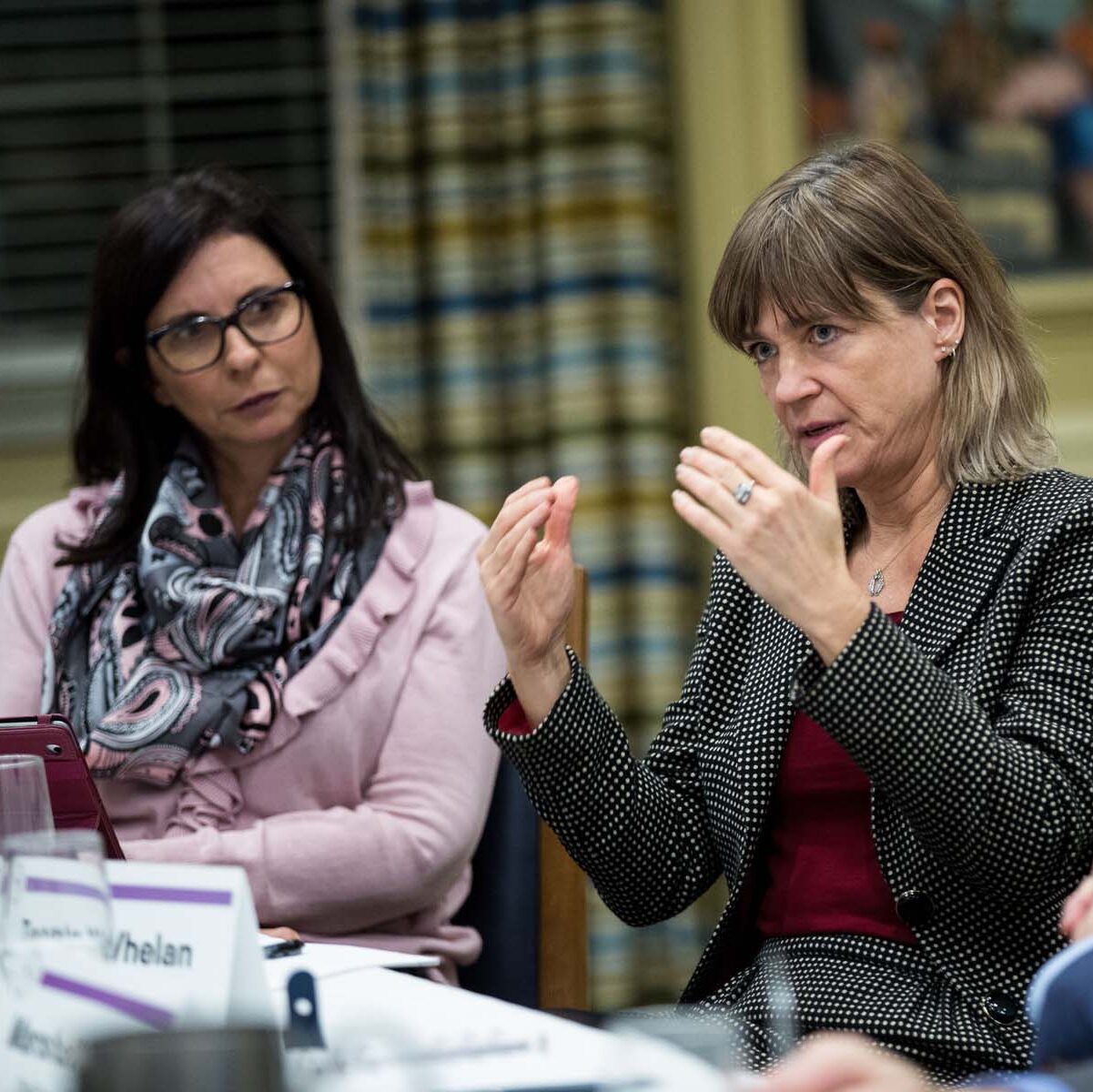
Female leaders face the same issues all leaders do, but they often face additional challenges too. In this peer session, we will facilitate a discussion of best practices and how to overcome common barriers to help women leaders be more effective within and outside their organizations.
Limited space available.

10:30 - 5:00 pm
General’s Retreat at Hermitage Golf Course
Sponsored by UBS
General’s Retreat, built in 1986 with architect Gary Roger Baird, has been voted the “Best Golf Course in Nashville” and is a “must play” when visiting the Nashville, Tennessee area. With the beautiful setting along the Cumberland River, golfers of all capabilities will thoroughly enjoy the golf, scenery and hospitality.
The golf outing fee includes transportation to and from the hotel, greens/cart fees, use of practice facilities, and boxed lunch. The bus will leave the hotel at 10:30 am for a noon shotgun start and return to the hotel after the cocktail reception following the completion of the round.