
If you stepped away from your business for the next 30 days, what would happen?
Not what would slow down.
What would stop?
Which decisions would wait for your return? Which projects would lose momentum? Which customers or employees would insist on speaking with you before moving forward?
It’s an uncomfortable exercise, but it reveals something every CEO should understand: how much of the business still depends on you.
For some leaders, the answer may be “not much.” That’s a good sign. It suggests you’ve built the people, systems and clarity needed for the business to keep moving without your constant involvement.
For others, the exercise highlights something different. Not because they’re poor leaders, but because the business has quietly become more dependent on them than they realized.
That isn’t unusual. In fact, it’s one of the most common leadership challenges companies face as they grow.
The leadership approach that helps a company reach one stage of growth rarely looks the same at the next.
Whether you founded the business, inherited it, or were brought in to lead it through growth or transformation, one thing tends to happen over time: more decisions, more relationships and more responsibility gradually find their way to the CEO.
It rarely happens because anyone plans it that way.
Your experience earns trust. Your judgment becomes the tie-breaker. People learn that involving you is the safest path. Before long, you’re reviewing decisions your leadership team could make, attending meetings that don’t require your perspective and solving problems that should be owned elsewhere in the organization.
None of that means you’re doing anything wrong.
It means the business may have outgrown the leadership model that helped get it here.
The CEO’s job is no longer to be involved in every important decision. It’s to build an organization capable of making good decisions without relying on the CEO every time.
You don’t need to disappear for a month to identify where the risks are. Look for these patterns instead.
Perhaps a pricing decision waits until you return from a trip. A department head delays moving forward until you’ve weighed in. A leadership meeting ends with, “Let’s check with the CEO first.”
Individually, these moments seem harmless.
Collectively, they slow the business down.
Strong organizations create clarity around decision rights so leaders can move confidently without unnecessary approvals.
Every CEO expects to hear about significant challenges.
The question is whether your team arrives with thoughtful recommendations or simply hands the problem to you.
If you’re regularly doing the final 20 percent of the thinking, you’re probably limiting the development of your leadership team without realizing it.
One simple question can begin changing that dynamic:
“What do you recommend?”
Over time, that question builds ownership, judgment and confidence throughout the organization.
One of the clearest signs of CEO dependency isn’t missed decisions.
It’s lost momentum.
Projects slow. Priorities drift. Meetings produce discussion instead of action. Teams hesitate because they aren’t sure who should move next.
Businesses that scale well don’t simply delegate work. They create the clarity, accountability and trust that allow progress to continue whether the CEO is in the room or not.
If you’re wondering how dependent the business is on you today, ask yourself:
The answers aren’t a scorecard.
They’re signals.
They reveal where the business has become stronger—and where it still depends too heavily on one person.
Some CEOs worry that stepping back means becoming less valuable.
In reality, the opposite is true.
As organizations grow, the CEO creates the greatest value by building leaders, strengthening decision-making and creating systems that allow the business to perform consistently without constant intervention.
That’s what makes a company more resilient.
It’s what allows leaders to focus on strategy instead of routine approvals.
And it’s what prepares the business for growth, succession, acquisitions or unexpected change.
A company that can operate confidently without the CEO for a few weeks isn’t a company where the CEO matters less.
It’s usually a company where the CEO is leading at the highest level.
CEO dependency often develops gradually. Because you’re involved every day, it can be difficult to see which decisions, relationships and responsibilities genuinely require your attention and which have simply accumulated over time.
Addressing it does not always require the same level or type of support. Depending on where the business is and what you need, your options may include:
Tell us what challenge you’re working through, and we’ll help you determine which option may be the best fit.
Your privacy is paramount. Learn more about how we protect your data here.
0
1:00 - 5:00 pm
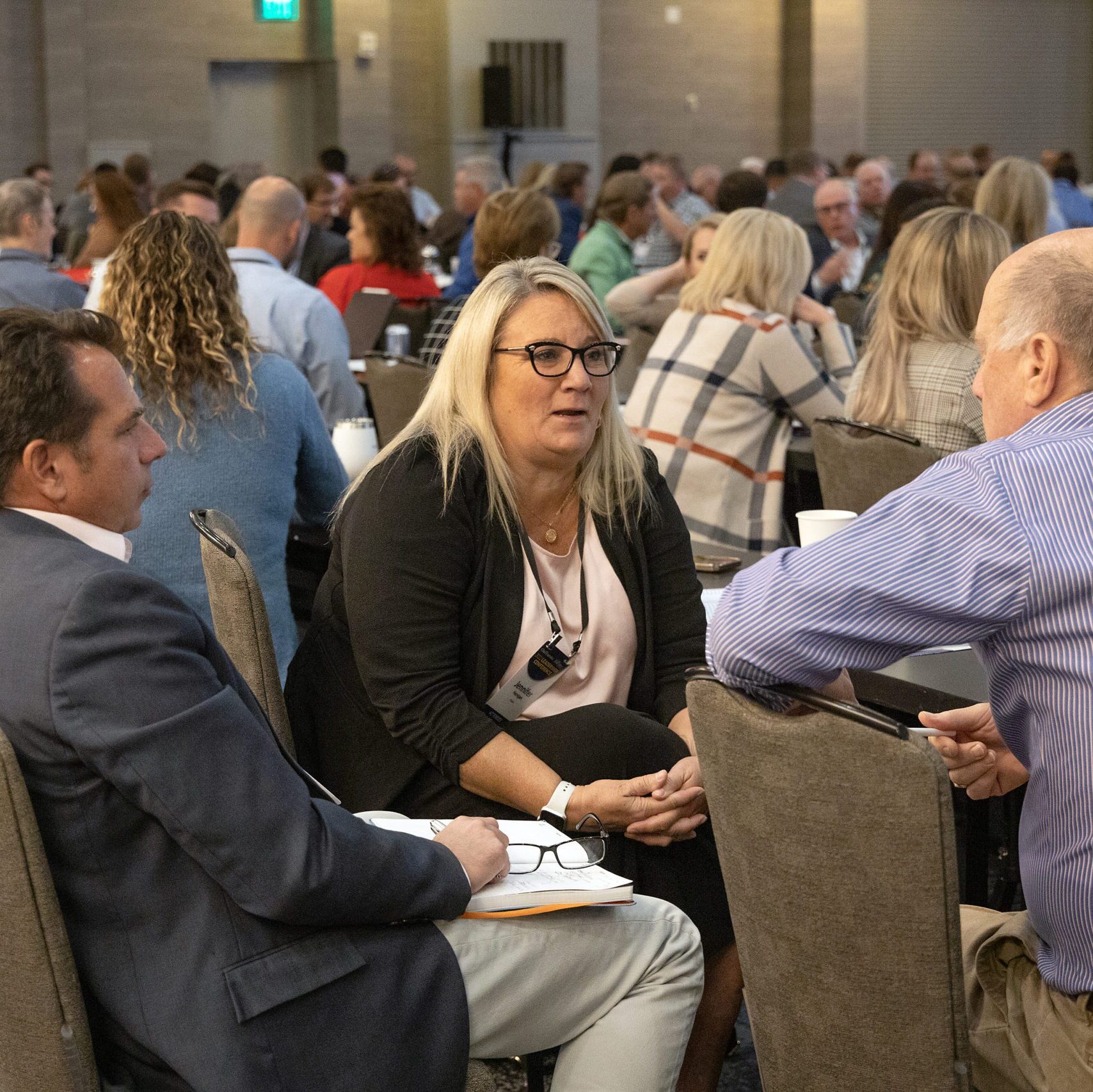
Over 70% of Executives Surveyed Agree: Many Strategic Planning Efforts Lack Systematic Approach Tips for Enhancing Your Strategic Planning Process
Executives expressed frustration with their current strategic planning process. Issues include:
Steve Rutan and Denise Harrison have put together an afternoon workshop that will provide the tools you need to address these concerns. They have worked with hundreds of executives to develop a systematic approach that will enable your team to make better decisions during strategic planning. Steve and Denise will walk you through exercises for prioritizing your lists and steps that will reset and reinvigorate your process. This will be a hands-on workshop that will enable you to think about your business as you use the tools that are being presented. If you are ready for a Strategic Planning tune-up, select this workshop in your registration form. The additional fee of $695 will be added to your total.
2:00 - 5:00 pm
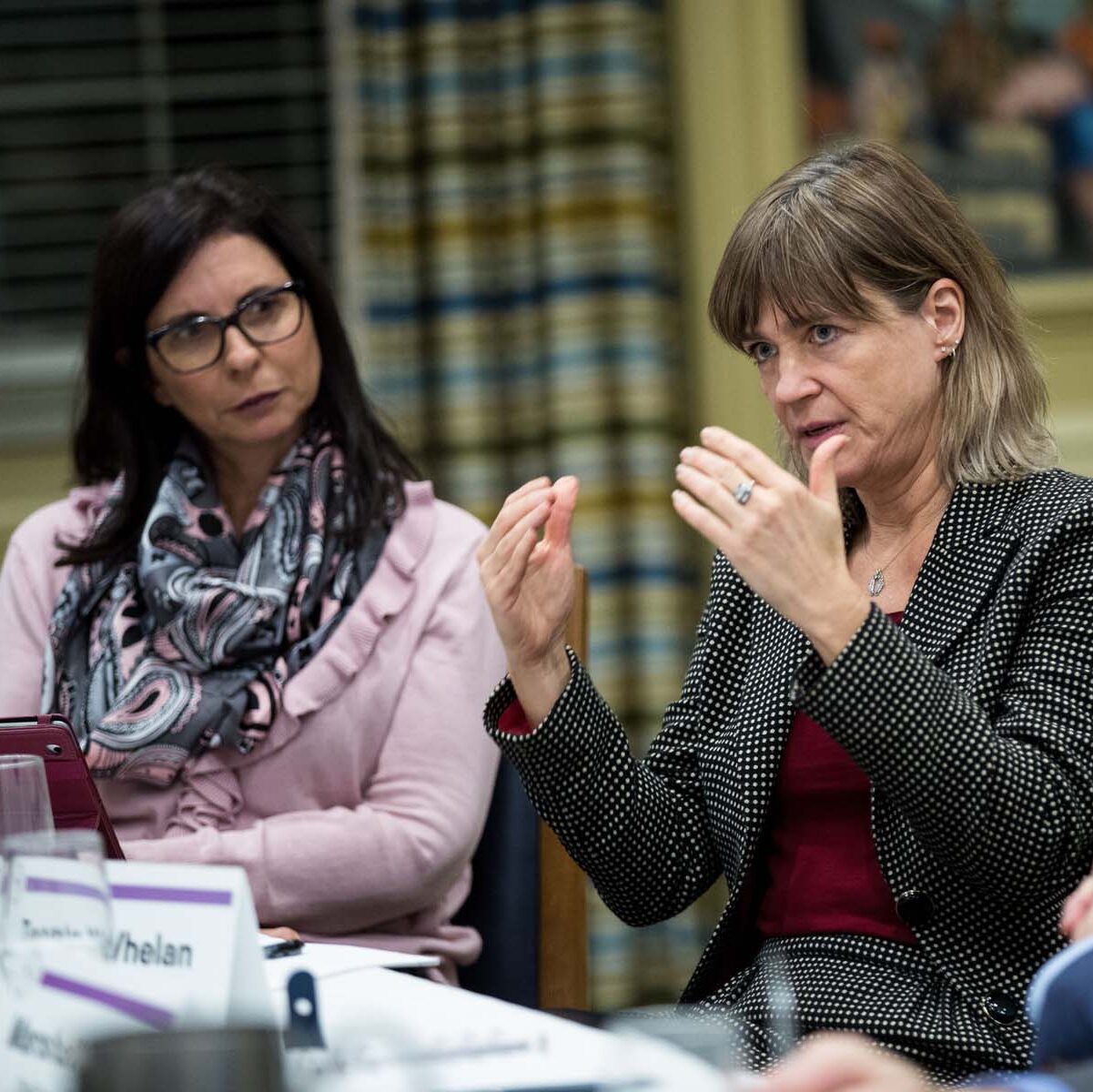
Female leaders face the same issues all leaders do, but they often face additional challenges too. In this peer session, we will facilitate a discussion of best practices and how to overcome common barriers to help women leaders be more effective within and outside their organizations.
Limited space available.

10:30 - 5:00 pm
General’s Retreat at Hermitage Golf Course
Sponsored by UBS
General’s Retreat, built in 1986 with architect Gary Roger Baird, has been voted the “Best Golf Course in Nashville” and is a “must play” when visiting the Nashville, Tennessee area. With the beautiful setting along the Cumberland River, golfers of all capabilities will thoroughly enjoy the golf, scenery and hospitality.
The golf outing fee includes transportation to and from the hotel, greens/cart fees, use of practice facilities, and boxed lunch. The bus will leave the hotel at 10:30 am for a noon shotgun start and return to the hotel after the cocktail reception following the completion of the round.