
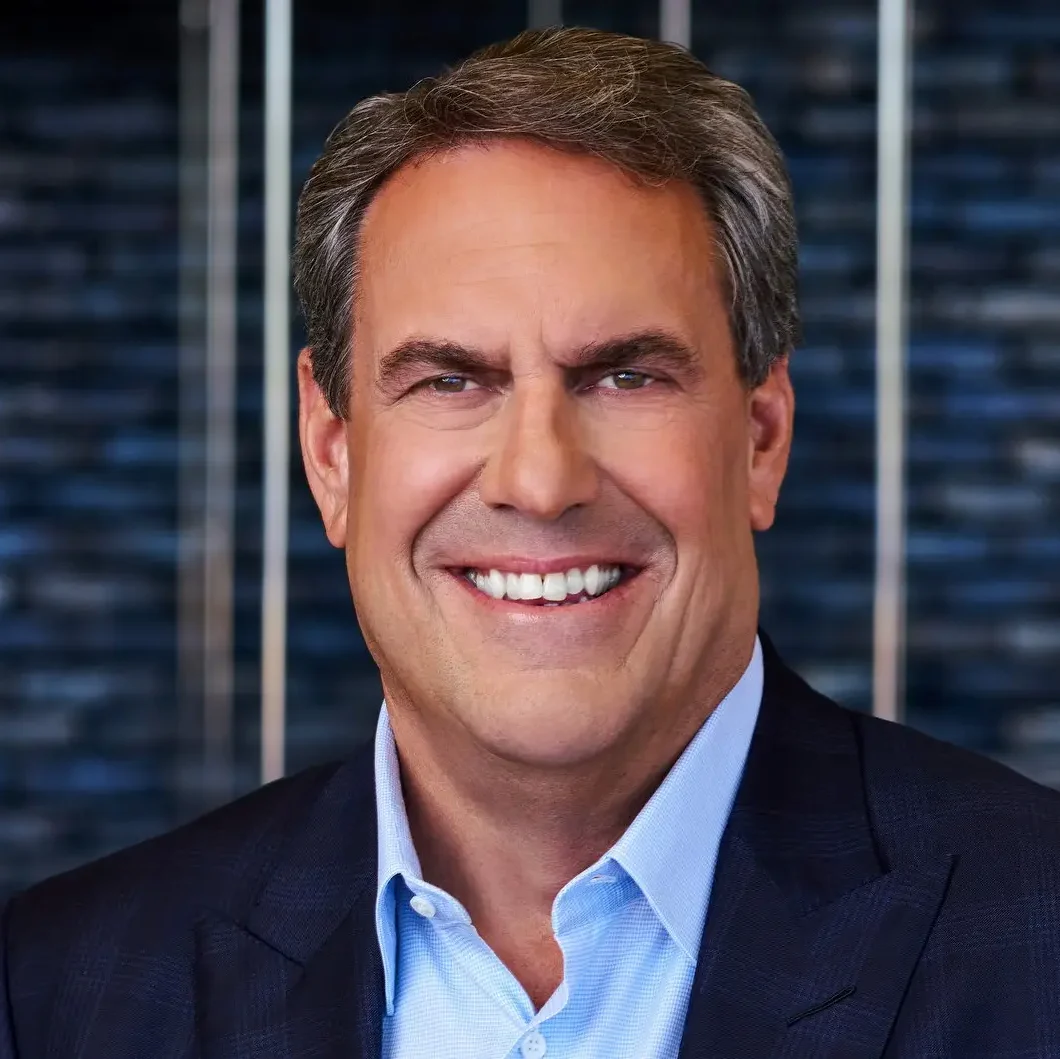
President, General Motors
Every CEO eventually faces a moment when the organization they built, or inherited, becomes harder to lead. The workforce grows more complex. The market shifts. The old structures stop working. What separates the leaders who navigate that successfully from those who don’t isn’t just strategy, it’s how they lead people through it.
In this opening fireside chat, a seasoned CEO will share an unfiltered look at what it actually takes to lead a complex organization through significant change — the talent decisions that defined the outcome, the cultural fault lines that had to be addressed head-on, and the leadership lessons that only come from living through it.
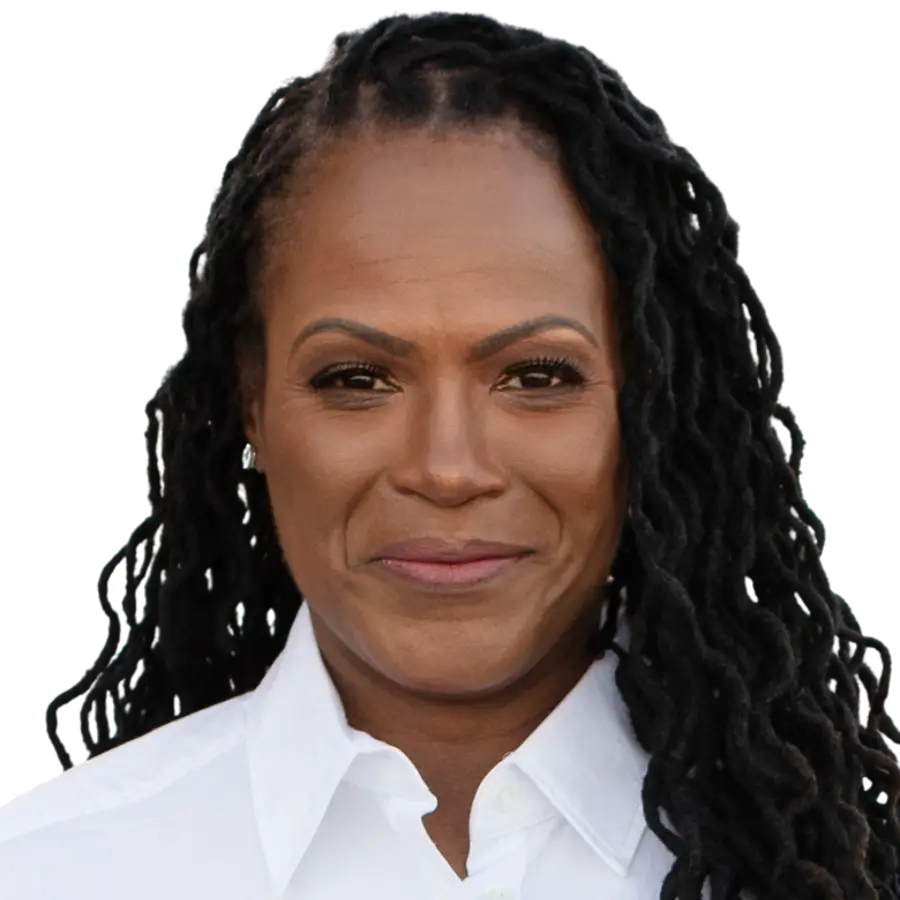
James L. Vincent Professor of Leadership, Fuqua School of Business, Duke University
The higher you rise, the harder it becomes to hear the truth. Not because people stop having opinions but because organizations develop subtle, powerful forces that filter what reaches the top. Groupthink, unspoken bias, and unchallenged assumptions don’t announce themselves. They accumulate quietly, shaping decisions long before anyone realizes what’s been left out of the room.
Drawing on her research into leadership, bias, and organizational behavior, Duke Professor Ashleigh Shelby Rosette will help CEOs identify the blind spots most likely to undermine their best thinking. You’ll learn how to build the leadership habits and team dynamics that surface what others miss. You’ll leave with a better understanding of how your own perspective shapes what your organization tells you, and practical approaches for building teams that challenge your thinking rather than confirm it.

D. Richard Mead Professor of Finance, Fuqua School of Business, Duke University; Economist & CNBC Guest Commentator
Since 1997, Duke University’s Global Business Outlook Survey has tracked the real-time perspectives of CFOs from leading companies around the world — on hiring, capital spending, risk, and macroeconomic expectations. It’s one of the most closely watched indicators of where the corporate sector is actually headed.
In this focused session, Professor John Graham, the survey’s longtime director and one of the world’s leading experts on corporate finance, will translate what CFOs are seeing right now into the strategic context CEOs need. Consider it the financial intelligence briefing your workforce planning conversations have been missing.

Global Chief of Staff for Talent, MiQ Digital
Partner, Compensation Advisory Partners LLC (CAP)
Global Officer, Talent Acquisition & Associate Development, Marriott International
Partner, Compensation Advisory Partners LLC (CAP)
For the first time in modern history, four generations are sharing the same workforce, each with different expectations around purpose, career growth, flexibility, compensation and what they’re willing to give in return for a paycheck. What motivates a 28-year-old is not what motivates a 52-year-old, and leading as though it is costing organizations more than they realize — in turnover, disengagement and talent they can’t afford to lose.
The leaders who are winning recognize that the old workforce playbook no longer applies and are responding deliberately. In this session, a panel of executives will share what that looks like in practice: how they think about leading across generational lines, where they’ve had to make hard calls, and what they’ve learned about building an organization that works for a workforce that no longer wants the same things.
Author, LEADERSHIP INTELLIGENCE: Science-Backed Strategies for Mastering 21 Everyday Management Challenges
As AI capabilities become more universal, the leaders who stand out won’t just be the ones who use the technology well — they’ll be the ones who also know how to draw out and develop the human intelligence on their teams: critical thinking, interpersonal insight, sound judgment under pressure. Drawing on her new book, Leadership Intelligence, Caroline Webb will translate three decades of coaching senior executives into science-backed tools for the moments CEOs face every week — delivering feedback that actually changes behavior, navigating conflict with a team member, rallying a team through uncertainty, and making high-stakes calls under pressure. She’ll share real stories and a usable framework to help you get the most out of the people you lead.
Following Caroline’s presentation, attendees will work in small groups to identify a moment from their own leadership — a decision, a conflict, a tough conversation — where human judgment made the difference AI couldn’t, then use one of Caroline’s frameworks to improve how they’d handle it even better next time.
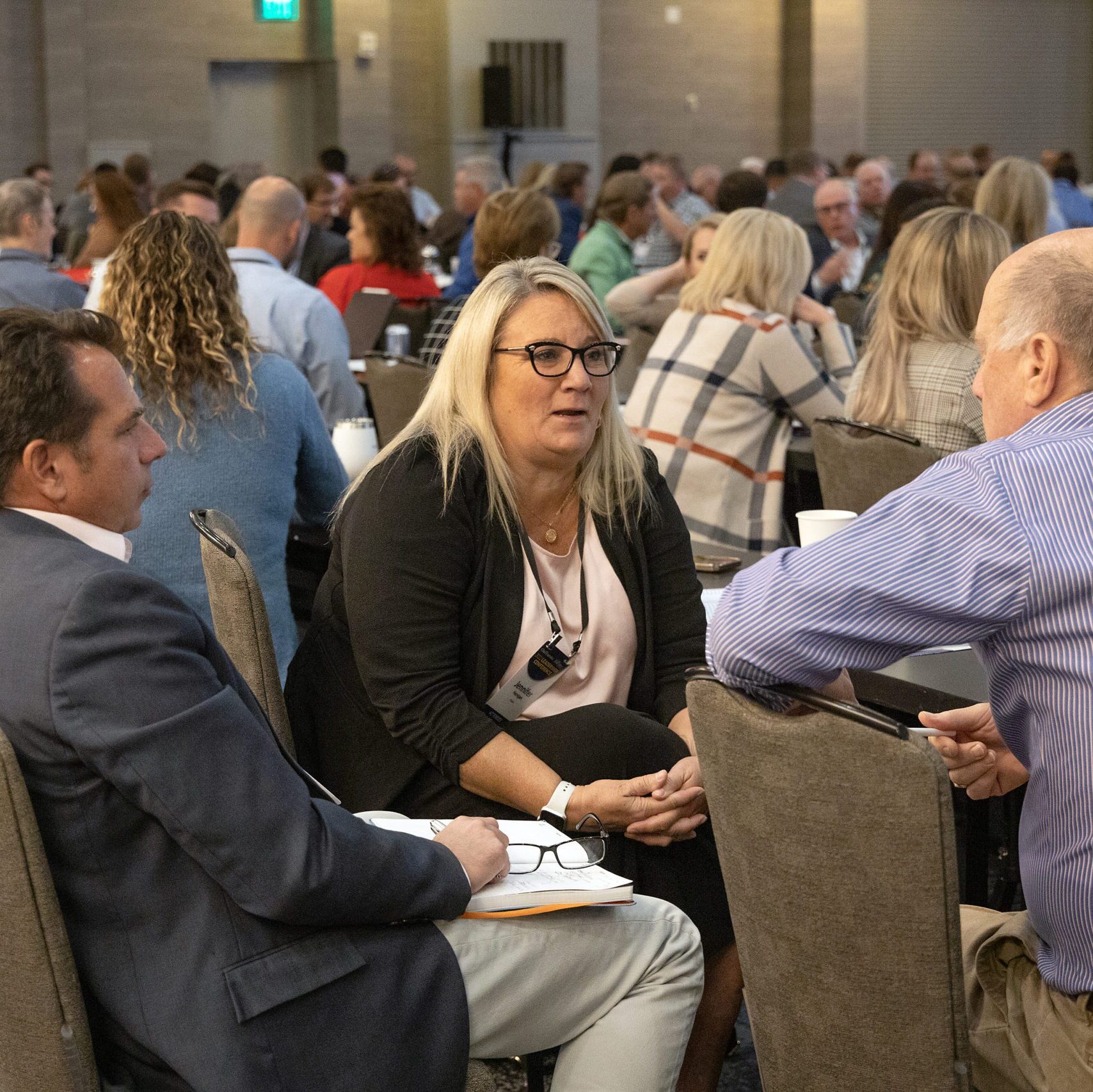
Join fellow attendees for two sets of 25-minute table-top discussions on relevant topics like having difficult conversations, managing different personality types, building cross-functional teams following an acquisition, and more.
Topic Areas:
Founder, Rhythm Systems
Accountability is one of the most used—and most misunderstood—words in leadership. Too often, it’s treated as a consequence when things go wrong. The best organizations build accountability into the way they operate, creating clarity around priorities, commitments and ownership before problems have a chance to take hold.
This session will explore what effective accountability looks like in practice and how AI is creating new opportunities for leaders to strengthen it. From improving visibility into commitments and progress to identifying potential breakdowns earlier, AI can help reduce some of the friction that makes accountability difficult to sustain. You’ll leave with a clearer understanding of where accountability tends to break down, the leadership habits and operating disciplines that make it work, and where AI can—and cannot—help create stronger follow-through across the organization.
Start your day with facilitated discussions with your peers on critical leadership topics.
Andy Harris, STS Capital
When preparing for an exit—or simply building long-term enterprise value—financial performance is only part of the equation. The most sophisticated buyers are placing increasing emphasis on the human side of the business: leadership strength, cultural durability, talent retention, and the ability of the organization to scale independently of the founder or CEO. In this CEO-to-CEO discussion, we’ll explore how culture and team dynamics directly impact valuation multiples. We’ll look at what premium buyers look for, how to structure your leadership team and systems for transferability, and practical steps you can take now to turn your organization’s people into a true value accelerator.
Donovan Pyle, Health Compass
Data shows that most commercial health plans waste approximately $4,000 per employee, per year. But today, that waste isn’t just a financial leak—it is a legal liability. With a new wave of class-action lawsuits targeting employers for fiduciary mismanagement, buying “products” is no longer enough. In this roundtable, Donovan Pyle (Lead SME for Bloomberg Law’s analysis on fiduciary litigation) will detail the specific fiduciary process needed to eliminate this waste. He will answer all your healthcare insurance questions and provide you with a playbook for mitigating corporate risk while simultaneously capturing millions in lost EBITDA.
Steve Casey, Vice President, Global BPO Solutions, Personiv, a division of eClerx
Every leadership conference talks about AI, automation, and the war for talent. But what rarely gets discussed are the lessons learned after the investment is made—when the technology is live, the org chart has shifted, and the read day-to-day happens. This peer-to-peer roundtable is designed for CEOs who want an honest conversation beyond the buzzwords. Together, leaders will explore the less-visible side of tech and talent transformation: the assumptions that didn’t hold, the friction points no one planned for, and the leadership decisions that ultimately made the difference. Rather than focusing on “best practices,” this discussion surfaces practical lessons learned—from organizations that are actively navigating change at scale.

Vice President, Director of Athletics, Duke University
Few leaders have had a front-row seat to workforce disruption quite like the directors of major college athletic programs. In the span of just a few years, the entire talent model in college athletics has been rewritten: NIL deals, the transfer portal, revenue sharing, conference realignment. The rules that govern how you recruit, retain and develop talent have changed faster than most organizations could adapt, and the leaders who have navigated it successfully have done so without the luxury of a long runway.
As Director of Athletics at Duke University, Nina King oversees a complex organization that in many ways mirrors the challenges facing any CEO: multiple business units, hundreds of employees, revenue generation, brand management, capital projects and stakeholder relationships that require constant tending. In this keynote, she’ll share what leading through that level of talent disruption has taught her about building teams that perform regardless of the circumstances and what every CEO can take from her experience into their own organization.

Author, Work Life Well-Lived
Losing a high performer is expensive. Losing an executive is destabilizing. Yet most organizations don’t examine why their best people leave until after they’re gone, and by then the patterns that drove the decision have usually been in place for years.
Retention at the senior level is rarely about compensation alone. It’s about growth, autonomy, recognition and whether the people who carry the most weight in your organization feel that weight is acknowledged. The CEOs who retain their best people understand what drives them as individuals and build an environment where leaving isn’t the obvious next move.
This session takes an honest look at what’s actually behind executive and high-performer attrition—the patterns most organizations miss, the signals leaders overlook, and the practical steps CEOs can take to hold onto the talent they can least afford to lose.
Former Director, U.S. Naval Academy’s Vice Admiral James B. Stockdale Center for Ethical Leadership
Most CEOs are good at building culture. Fewer are good at building a culture that survives them. When the organization’s values, standards and ways of working live primarily in the CEO’s head, or depend on their presence to hold, the whole thing is more fragile than it looks from the outside.
The most durable organizations are built so that culture is embedded in how decisions get made, how people are hired and developed, and how the organization behaves when no one at the top is watching. Getting there requires a CEO who is willing to do the harder work of codifying what they’ve built, distributing it intentionally and then letting it run. In this closing session, we’ll examine what separates organizations with cultures that endure from those that erode the moment leadership changes. Learn what you can start doing now to make sure what you’ve built outlasts you.
Optional Add-on. Limited Space! (additional fee)
Former Director, U.S. Naval Academy’s Vice Admiral James B. Stockdale Center for Ethical Leadership
Under the leadership of Hall of Fame Coach Mike Krzyzewski and led by an experienced and trained team from Duke Athletics, this program helps executive groups achieve success in the corporate setting as well as in day-to-day life. All coaches in the Duke Basketball Experience are either former Duke basketball players, coaches, or managers; all with the unique experience of learning first-hand from Coach K the skills that build leadership on and off the court.
In the Duke Basketball Experience, participants will become fully immersed in the unique culture of Duke Basketball that maintained unprecedented success under Coach K.
Participants learn Coach K’s theory of leadership based on the FIST- with the five fingers representing communication, trust, collective responsibility, caring, and pride. The theory of five working together is always stronger than one. While the participants learn the teachings of Coach K, they are encouraged to extrapolate and explore how this can apply to their own business contexts. The program includes drills and physical play. Activities will be geared for all skill sets, level of experience with basketball, and physical stamina levels.
0
1:00 - 5:00 pm
Over 70% of Executives Surveyed Agree: Many Strategic Planning Efforts Lack Systematic Approach Tips for Enhancing Your Strategic Planning Process
Executives expressed frustration with their current strategic planning process. Issues include:
Steve Rutan and Denise Harrison have put together an afternoon workshop that will provide the tools you need to address these concerns. They have worked with hundreds of executives to develop a systematic approach that will enable your team to make better decisions during strategic planning. Steve and Denise will walk you through exercises for prioritizing your lists and steps that will reset and reinvigorate your process. This will be a hands-on workshop that will enable you to think about your business as you use the tools that are being presented. If you are ready for a Strategic Planning tune-up, select this workshop in your registration form. The additional fee of $695 will be added to your total.
2:00 - 5:00 pm
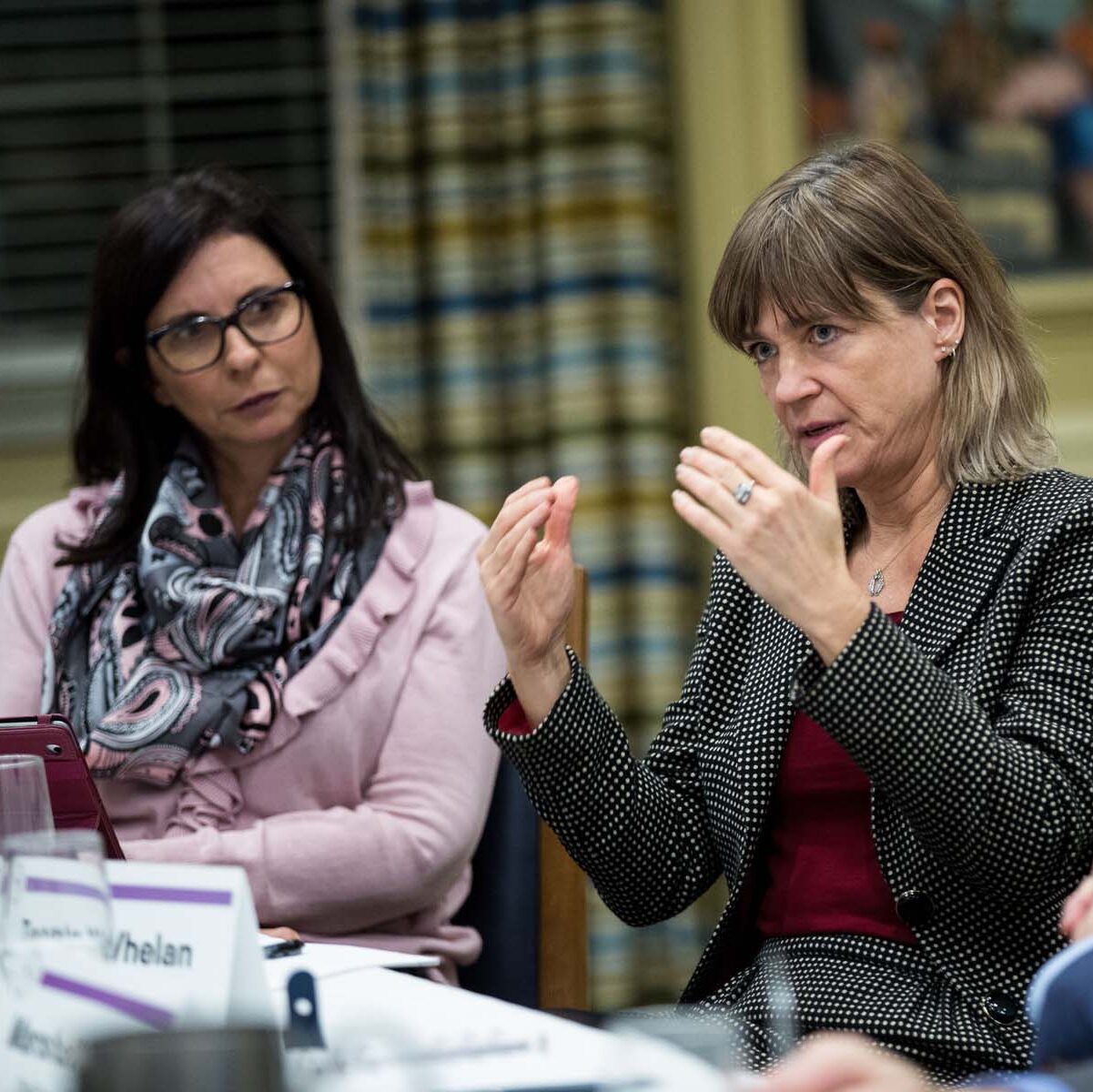
Female leaders face the same issues all leaders do, but they often face additional challenges too. In this peer session, we will facilitate a discussion of best practices and how to overcome common barriers to help women leaders be more effective within and outside their organizations.
Limited space available.

10:30 - 5:00 pm
General’s Retreat at Hermitage Golf Course
Sponsored by UBS
General’s Retreat, built in 1986 with architect Gary Roger Baird, has been voted the “Best Golf Course in Nashville” and is a “must play” when visiting the Nashville, Tennessee area. With the beautiful setting along the Cumberland River, golfers of all capabilities will thoroughly enjoy the golf, scenery and hospitality.
The golf outing fee includes transportation to and from the hotel, greens/cart fees, use of practice facilities, and boxed lunch. The bus will leave the hotel at 10:30 am for a noon shotgun start and return to the hotel after the cocktail reception following the completion of the round.