Family-Owned Business Summit

AGENDA

Wednesday, February 17

3:00 - 5:00 pm

Pre-Summit Workshop (Optional)

Outside the Family: Building and Running a Board That Drives Real Value

Most family business CEOs and owners know they need outside perspective, but few have a clear picture of what a high-functioning board actually looks like or how to get there. 

This hands-on workshop covers the practical fundamentals of building and maintaining a board that drives real value: how to structure it for impact, navigate the dynamics between family and independent directors, and create the conditions for honest, effective governance over the long term. We’ll also address common questions related to the difference between a board of advisors and a fiduciary board and why adding outside voices doesn’t mean losing your culture. 

Topics will include: 

  • Advisory vs. fiduciary boards — what the distinction means in practice and which is right for you 
  • Structure, roles, and the skills you need around the table 
  • Managing family and non-family dynamics in the boardroom 
  • Committee structure and long-term board effectiveness 
  • The role of the family and a family council in governance 

Outside directors are welcome and will find value in hearing how CEOs and owners are thinking about these questions from the other side of the table. 

5:30 - 6:30 pm

Welcome Reception

6:30 pm

Optional Dutch Dinners

Thursday, February 18

8:30 - 9:30 am

Networking Breakfast and Registration

9:30 - 9:40 am

Welcome

Paul Shoukry

CEO, Raymond James

Marshall Cooper

CEO, Chief Executive Group

9:40 - 10:25 am

Opening Keynote: What Breaks First: Hard Lessons from Leading a Family Business Through Change

Family businesses don’t fail for the reasons most people think. In this opening keynote, we’ll examine where companies actually break—during leadership transitions, under capital pressure, or when family alignment erodes—and what holds them together through it. Expect a candid, experience-driven perspective on how successful families navigate uncertainty, make decisions under pressure, and preserve what matters most while evolving the business. 

Adam Farver

Chairman of the Board, Pella Windows

10:25 - 11:15 am

Building the Culture of Your Dreams: How One Family Business Turned Values Into a Competitive Advantage

Most family businesses talk about culture. The Gund Company rebuilt their business around it. In this case study, leaders from the 70-year-old engineered materials company will share how they transformed the organization across four distinct phases—from entrepreneurial hustle and “growth at all costs,” to professionalization, accountability, and a deeply intentional culture they now describe as “the culture of our dreams.”  

Along the way, they’ll unpack the hard decisions behind that evolution: clarifying roles for family members, leveraging a board of advisors, raising expectations and accountability, and starting early on both management and ownership transition. Most importantly, they’ll explain how culture became more than a set of values—it became the company’s strategic operating system and ultimate competitive advantage. 

Rich Gund

Chairman, The Gund Company

Steven S. Rolfe M.D.

CEO and Family Enterprise Advisor
Fellow, Family Firm Institute
Consultant, McNulty Leadership Program at the Wharton School

11:15 - 11:40 am

Networking Break

11:40 am - 12:20 pm

Peer-to-Peer Roundtables: Set 1

Professionals outside the owning family have their own challenges and opportunities. The ability to impact a closely-held business is unique, as is navigating the dynamics of an organization that is not always operating to optimize business outcomes. This session will allow for frank discussions about effective ways to navigate these challenges with skill and sensitivity.

Facilitated by:

Greg Kaufman

Coach, Chief Executive Coaching
Former CEO, Amstore

Not every next-gen family member wants to be CEO—or even work in the business—but that doesn’t mean they can’t be influential contributors to the family legacy. This roundtable explores how to prepare future family members to be responsible stewards: as owners, leaders, or advocates of the business’s long-term purpose. From instilling values and work ethic to setting expectations and offering non-operational paths (like board roles, family council seats, or external experience), we’ll share candid lessons on how to raise engaged, empowered contributors without guilt or entitlement.

Marshall Cooper

CEO, Chief Executive Group

In this candid, Chatham House–style roundtable, a private-equity buyer will open the diligence lens and share the operating disciplines any family business can adopt whether you plan to partner, sell, or stay independent. We’ll unpack buyer “green flags” (clean financials, decision rights, KPI cadence, leadership bench) and “red flags” (founder dependence, customer concentration, cash-to-EBITDA gaps), plus practical upgrades in 100 days: board rhythm, KPI dashboards, pricing, working-capital hygiene, and talent. Come with questions. Leave with a readiness checklist and a plan to make your company more valuable—now and in the future.

Facilitated by:

Will Dowden

Managing Partner, KLH Capital

Josh Feine

Senior Vice President, Paramax Corporation
Cash is the quietest—and most explosive—issue in family companies. This facilitated conversation looks at the trade-offs between reinvestment and distributions, how to balance perceived fairness vs. financial reality (active vs. inactive owners, life-stage needs), and ways to communicate financial decisions without breeding resentment. We’ll share what’s worked—and what hasn’t across payout philosophies, capex and debt constraints, and redemption/liquidity moments—so you leave with peer-tested ideas and language you can use with your own family.

Will Dowden

Managing Partner, KLH Capital

Josh Feine

Senior Vice President, Paramax Corporation

11:40 am - 12:20 pm

Macro & Policy: What to Watch and What to Do

The economy is moving. Washington is moving. This session cuts through the noise on both fronts—translating what’s happening with interest rates, labor, and capital availability alongside the policy developments most likely to hit your pricing, contracts, and hiring decisions. We’ll also address what’s at stake for family businesses specifically, such as potential changes in estate and transfer tax that could affect how—and when—you transition ownership. You’ll leave with a clear read on the next 6–12 months and specific actions to take now. 

Steven S. Rolfe M.D.

CEO and Family Enterprise Advisor
Fellow, Family Firm Institute
Consultant, McNulty Leadership Program at the Wharton School

12:20 pm - 1:10 pm

Working Lunch & Peer-to-Peer Roundtables: Set 2

Whether you’re planning to pass the business to the next generation or considering a sale, the steps you take today will shape your options tomorrow. In this roundtable, we’ll explore how family business leaders can position their companies for maximum value—regardless of the eventual exit path. The discussion will cover how to view your company through a strategic lens: aligning leadership, governance, and capital structure with future goals. We’ll dive into practical considerations like how to assess readiness and avoid common pitfalls in both generational transitions and external exits. Whether your timeline is two years or ten, you’ll leave with a clearer picture of what it means to run your company with optionality—and legacy—in mind.

Facilitated by:

Tony Fagella

Managing Director, Raymond James

Sean Hutchinson

Partner, Ready for Next

Strong governance can be a game-changer for family businesses—but there’s no one-size-fits-all model. This roundtable will unpack how to design a board (or advisory board) that fits your company’s stage, size, and family dynamics. We’ll explore how to bring in independent directors, define roles for family members, establish family councils, and build governance systems that improve decision-making, succession, and long-term strategy. Whether you’re starting from scratch or evolving an existing structure, you’ll walk away with practical ideas to strengthen your governance foundation.

Facilitated by:

Diane Adams

Board Member, Lodge Cast Iron, Thrall Enterprises and Valco Industries
Few topics create more tension in a family business than pay—especially with family, non-family leaders, and inactive owners in the mix. This roundtable will help you craft a clear, market-aware compensation philosophy, set transparent ranges and decision rights, align pay with performance, and address perceived inequities without eroding trust. We’ll also focus on winning with total rewards—purpose, growth paths, flexibility, stability—so you can attract and keep top people even when you can’t match the biggest offers. You’ll leave with practical guardrails and conversation frameworks to recruit, retain, and engage—without breaking the bank.

Karel Czanderna

Former CEO, Flexsteel Industries; Board Member, Cibo Vita and Soteria Flexibles
Family operators carry a dual burden: deliver results and represent the family. This facilitated conversation surfaces the real tension points—authority vs. entitlement, managing up/sideways with parents, siblings, and cousins, and earning credibility with non-family executives who expect clear standards and fair process. We’ll trade what’s worked—and what hasn’t on role clarity, feedback and evaluation, compensation and promotions, and separating family dynamics from business decisions—so you leave with peer-tested language and practices you can use when you return to the office.

Karel Czanderna

Former CEO, Flexsteel Industries; Board Member, Cibo Vita and Soteria Flexibles

12:20 pm - 1:10 pm

Networking Lunch

1:10 pm - 2:10 pm

Concurrent Breakouts (Select One)

The most successful transitions begin long before the next CEO is chosen. Equally important is preparing the business itself. This roundtable will explore the strategic work that should begin years before a transition: strengthening the leadership team, evaluating trusts and tax strategies, and reducing the risks that can derail a leadership handoff. Whether you’re five years from retirement or simply thinking ahead, you’ll leave with a framework for building a business that’s ready when the transition comes. 

Facilitated by:

Tony Fagella

Managing Director, Raymond James

Sean Hutchinson

Partner, Ready for Next

Money is where family dynamics become most visible. This session explores the two sides of that conversation: the strategic — how much to reinvest, when to distribute, and how to think about liquidity and de-risking — and the human — how to address intergenerational equity, navigate perceived fairness between active and inactive owners, and communicate decisions in a way that doesn’t create long-term tension. 

Facilitated by:

Diane Adams

Board Member, Lodge Cast Iron, Thrall Enterprises and Valco Industries

Whether you plan to sell, transition, or hold indefinitely, understanding how value is created—and lost—is critical. This session explores what drives valuation, where companies fall short in preparation, and how to think about timing and optionality. 

Karel Czanderna

Former CEO, Flexsteel Industries; Board Member, Cibo Vita and Soteria Flexibles

Family wealth decisions are inseparable from business strategy. The way ownership is structured shapes far more than who owns the business—it influences capital allocation, family harmony, and the company’s ability to thrive across generations. In this practical session, we’ll explore the real-world decisions families face around trusts, voting and ownership structures, liquidity planning, dividend philosophy, reinvestment, and balancing the needs of active and inactive owners. This isn’t a legal deep dive. It’s a practical conversation about building an ownership structure that can evolve as your family and business do across generations. 

Karel Czanderna

Former CEO, Flexsteel Industries; Board Member, Cibo Vita and Soteria Flexibles

2:10 - 2:50 pm

Making Smart AI Bets and Managing the Workforce Shift in the Family Business

As AI reshapes how all businesses operate, family businesses have their own unique challenges to manage in a company where culture and long-term relationships matter exponentially. 

In this working session, we’ll skip the technology overview and get straight to the decisions. In small groups, participants will map where AI is most likely to create impact in their own businesses and wrestle with the people questions that don’t have easy answers — from reskilling to role elimination to how you bring a long-tenured workforce along on the journey. 

You’ll leave with a clearer sense of where to place your bets and how to lead your organization through the transition. 

Ed Mills

Managing Director and Washington Policy Analyst, Raymond James
2:50 - 3:30 pm

Inside the Family: One Business, Two Perspectives

What happens when two generations see the same business differently? In this candid conversation, a family leadership pair will share how they navigate control, decision-making, and timing—what they agree on, where they clash, and how they move forward. 

Midway through, we’ll pause for a brief table reflection—giving you a chance to compare how similar tensions are showing up in your own business and how others are navigating them. 

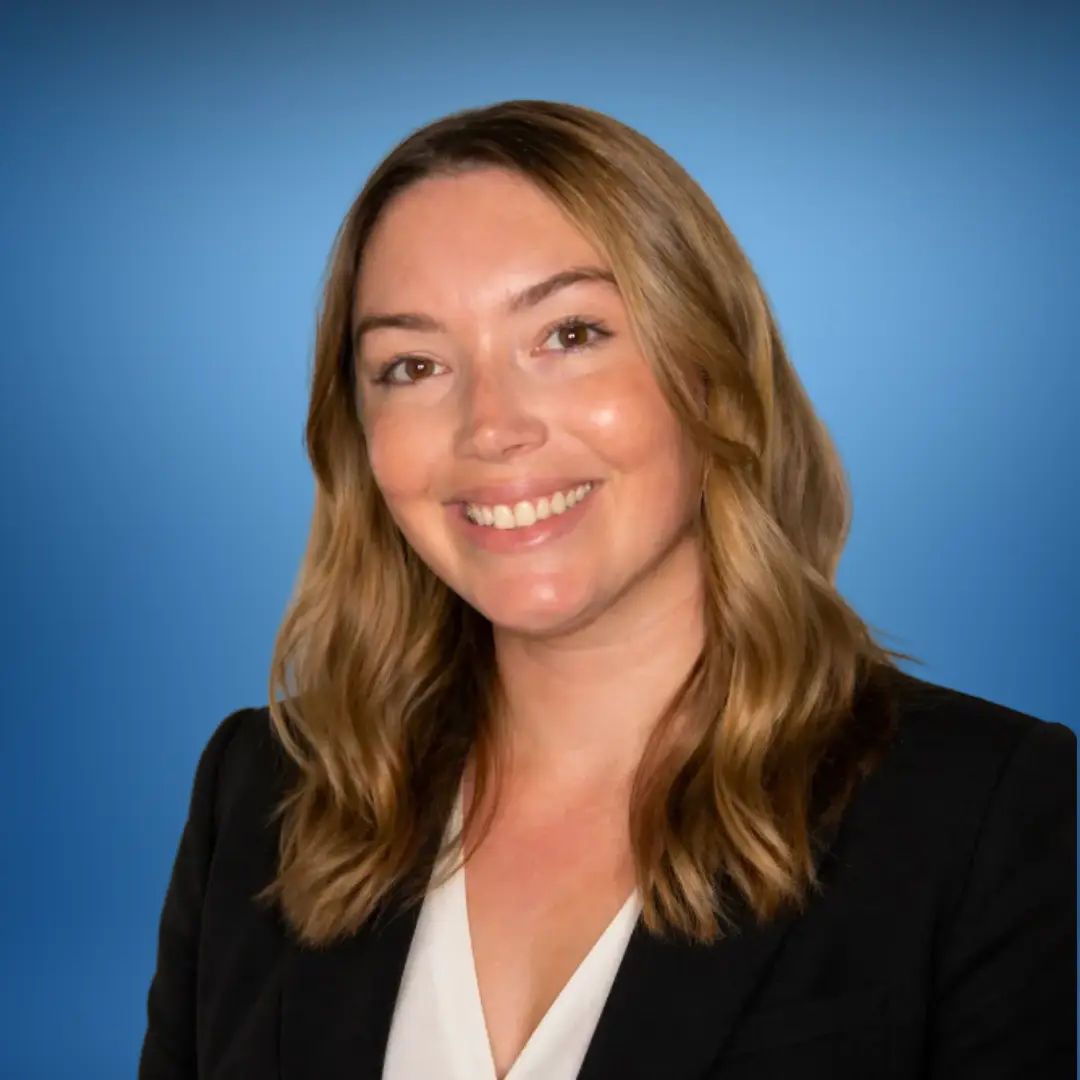
Ed Mills

Managing Director and Washington Policy Analyst, Raymond James

3:30 - 4:10 pm

The Next Generation Speaks: What They Want—and What They’re Changing

Rising leaders in family businesses bring a different set of expectations—and a different perspective on growth, leadership, and ownership. This session will surface what they want, what frustrates them, and what they are changing. 

Lindsey Weigle

Bluewater Advisory

4:10 - 5:00 pm

The Conversations Family Businesses Avoid – Until They Can't

Most family businesses don’t struggle because the family lacks talent or ambition. The harder challenges are usually the ones no one wants to talk about: differing expectations between generations, uncertainty around succession, tension among siblings, financial dependence on the business, or assumptions about roles and ownership that were never really spelled out. 

Drawing on decades working with family enterprises across four continents – and as the first independent director in the 100-year history of a third-generation family business – Richard Jolly brings candid stories and practical lessons from families navigating these issues in real time. What do the healthiest family businesses do differently? They don’t avoid the hard conversations; they learn to have them earlier, more honestly, and before conflict forces their hand. Richard will explore how families create space for those conversations, build trust across generations, and clarify expectations in ways that strengthen both the business and the family. 

Richard Jolly

Clinical Associate Professor of Management & Organizations, Northwestern University
Director, Stokes & Jolly


5:00 - 5:30 pm

Transportation to Reception and Dinner

5:00 - 7:00 pm

Networking Reception and Dinner

Enjoy an evening of connection and inspiration at The James Museum, right off the coast in downtown St. Petersburg. Join fellow attendees for a private dinner while surrounded by the history of the American West, and wildlife around the world.

Friday, February 19

7:00 - 8:00 am

Optional Morning Exercise

8:00 - 9:00 am

Breakfast Roundtables

Choosing the next CEO is one of the most consequential—and difficult—decisions a family business makes. But the success of that decision depends on choices made long before the handoff. 

This working session explores how family business leaders actually navigate succession: how they evaluate readiness, balance internal and external candidates, test potential successors, and manage the critical first 12–24 months of a transition. Through candid discussion with peers facing similar decisions, you’ll compare where others are in the process, pressure-test what’s still unclear, and leave with a sharper view of your own timeline, decision criteria, and next steps. 

Facilitated by:

Tony Fagella

Managing Director, Raymond James

Sean Hutchinson

Partner, Ready for Next

Today, more family business owners are asking whether a family office is the right way to coordinate wealth, governance, philanthropy, tax planning, and their family’s long-term goals. But what exactly does a family office do—and at what point does it become the right fit? Whether you’re still leading the business, preparing for a leadership transition, or thinking about life after a liquidity event, this discussion explores how different family office models help families manage increasing complexity, coordinate advisors, educate future generations, and steward wealth well beyond the operating business.

Facilitated by:

Diane Adams

Board Member, Lodge Cast Iron, Thrall Enterprises and Valco Industries

As businesses grow, bringing in non-family executives often becomes essential—but success depends on more than finding the right talent. This discussion explores how family businesses define roles, build trust, align incentives, and create clear decision rights so outside leaders can thrive without diluting the family’s values or culture. We’ll discuss what attracts exceptional executives to family businesses, the mistakes that create friction, and how families successfully balance professional management with long-term family stewardship. 

Karel Czanderna

Former CEO, Flexsteel Industries; Board Member, Cibo Vita and Soteria Flexibles

In a family business, the lines between personal and professional are already blurred — and cybercriminals know it. Increasingly, bad actors bypass corporate security systems entirely by targeting owners and executives through their personal devices, home networks, and family members. A compromised personal email, a vulnerable home network, or a family member targeted by a phishing scheme can become the entry point to your business. In this roundtable, we’ll get into the specific risks family business owners face — from business email compromise and financial fraud to identity theft and deepfakes — and what practical steps leaders and their families can take to close the gaps that corporate IT departments can’t reach. 

Karel Czanderna

Former CEO, Flexsteel Industries; Board Member, Cibo Vita and Soteria Flexibles

9:00 - 9:05 am

Day 2 Welcome

9:05 - 10:05 am

Conflict in the Family: What to Do When Everyone Is “Right”

In family businesses, conflict isn’t the exception—it’s the norm. This session will provide practical ways to navigate disagreement, manage emotion, and keep decisions moving forward even when perspectives diverge. 

We’ll incorporate a short discussion moment to apply these ideas in real time—helping you identify where conflict is showing up in your own business and how to approach it more productively. 

Larry Adam

Chief Investment Officer, Raymond James

10:05 - 10:50 am

Leading the Business While Leading the Family

Running a business is demanding. Leading a family while doing it adds another layer of complexity—and over time, leaders themselves can become the constraint. 

In this session, we’ll explore what it takes to sustain high-performance leadership over the long term: how CEOs manage energy, make decisions under pressure, and stay effective through extended periods of uncertainty and responsibility. We’ll also examine how personal capacity—mental, physical, and emotional—impacts the business more than most leaders realize. 

This is not about work-life balance. It’s about leadership durability—and what it takes to lead at your best when the stakes are highest. 

Michael Clear

Partner, Wiggin and Dana LLP

Joe Weaver

Chairman & President, Raymond James Trust, N.A.

10:50 - 11:10 am

Networking Break

11:10 - 12:00 pm

What Endures: Lessons from Disney on Legacy, Identity, and Leading for the Long Term

Few organizations have navigated more change—in technology, culture, consumer expectations, and leadership—while preserving a more recognizable core identity than Disney. In this closing keynote, the Disney Institute will draw on nearly a century of organizational history to explore what it actually takes to build something that lasts: how you protect what’s essential while allowing everything else to evolve, how you lead for the next generation without losing what made you great, and what family businesses can take from one of the world’s most enduring brands as they think about their own legacy. 

John Gugliada

Director of Engagement, Family Enterprise USA

11:10 - 11:55 am

How Family Businesses Stay Relevant in a Changing World

For family-owned companies, sustaining success across generations means learning how to evolve while honoring what came before. Harvard Business School professor Josh Baron, author of the essential Family Business Handbook and one of the most influential thinkers on family business strategy in the world today, explores what it really takes—the structures, models, goal-setting and guardrails—needed to drive innovation and reinvention inside a family business, where emotions, traditions and long-term thinking all shape decision-making.

He’ll help you embrace change: launching new product lines, entering new markets or reinventing the business model while staying true to core values. Learn how to manage risk in a family business, create space for innovation and make decisions that benefit the next generation without erasing the past. Whether you’re facing disruption or simply want to stay ahead of the curve, this session will offer practical insights on how to build a company that’s built to last—and evolve.

Josh Baron

Co-author, The Family Business Handbook, Senior Lecturer of Business Administration at Harvard Business School
11:55 am - 12:30 pm

Built to Endure: What Successful Family Businesses Get Right

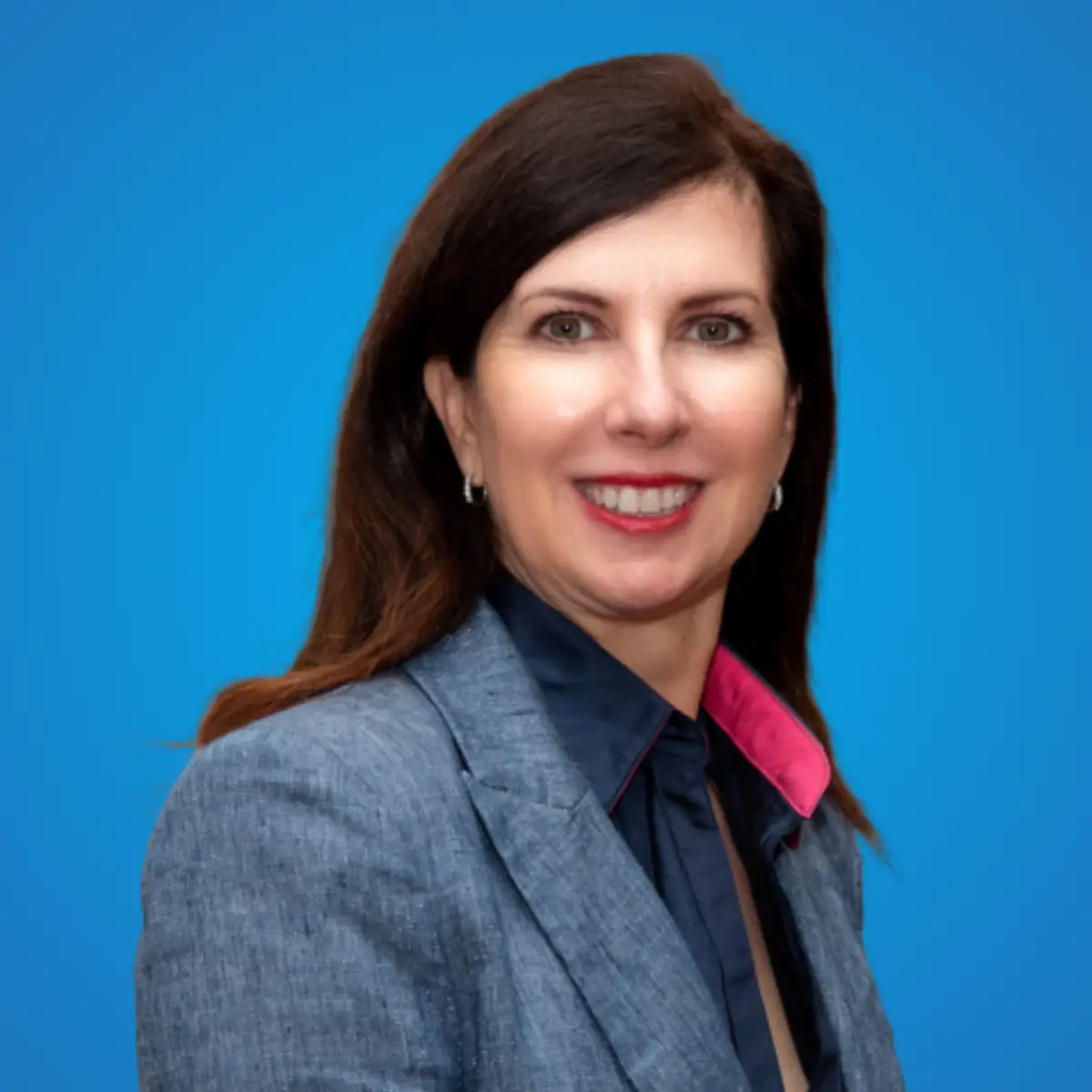
In this closing fireside chat, Lynn Clarke—three-time CEO, award-winning private company director and advisor to leading family enterprises, will lay out what truly sets enduring family-owned businesses apart: clarity of purpose, aligned owners and leaders, smart use of independent voices, disciplined execution, and a willingness to adapt strategy, talent, and digital capabilities without losing identity. Drawing on patterns she has seen across the best-run family businesses, she’ll leave you with a concise checklist of what to reinforce, what to re-think, and how to turn two days of insights into action at your own company.

Lynn Clarke

Board Member, JUST Born, the PEEPS company, Vollrath Manufacturing and Ozarks Coca-Cola/Dr. Pepper Bottling Company


12:20 - 12:30 pm

Wrap-Up and Takeaways

12:00 pm

Event Concludes

Roundtable

Strategic Planning Workshop

1:00 - 5:00 pm

Over 70% of Executives Surveyed Agree: Many Strategic Planning Efforts Lack Systematic Approach Tips for Enhancing Your Strategic Planning Process

Executives expressed frustration with their current strategic planning process. Issues include:

  1. Lack of systematic approach (70%)
  2. Laundry lists without prioritization (68%)
  3. Decisions based on personalities rather than facts and information (65%)


Steve Rutan and Denise Harrison have put together an afternoon workshop that will provide the tools you need to address these concerns.  They have worked with hundreds of executives to develop a systematic approach that will enable your team to make better decisions during strategic planning.  Steve and Denise will walk you through exercises for prioritizing your lists and steps that will reset and reinvigorate your process.  This will be a hands-on workshop that will enable you to think about your business as you use the tools that are being presented.  If you are ready for a Strategic Planning tune-up, select this workshop in your registration form.  The additional fee of $695 will be added to your total.

To sign up, select this option in your registration form. Additional fee of $695 will be added to your total.

New York, NY: ​​​Chief Executive's Corporate Citizenship Awards 2017

Women in Leadership Seminar and Peer Discussion

2:00 - 5:00 pm

Female leaders face the same issues all leaders do, but they often face additional challenges too. In this peer session, we will facilitate a discussion of best practices and how to overcome common barriers to help women leaders be more effective within and outside their organizations. 

Limited space available.

To sign up, select this option in your registration form. Additional fee of $495 will be added to your total.

Golf Outing

10:30 - 5:00 pm
General’s Retreat at Hermitage Golf Course
Sponsored by UBS

General’s Retreat, built in 1986 with architect Gary Roger Baird, has been voted the “Best Golf Course in Nashville” and is a “must play” when visiting the Nashville, Tennessee area. With the beautiful setting along the Cumberland River, golfers of all capabilities will thoroughly enjoy the golf, scenery and hospitality.

The golf outing fee includes transportation to and from the hotel, greens/cart fees, use of practice facilities, and boxed lunch. The bus will leave the hotel at 10:30 am for a noon shotgun start and return to the hotel after the cocktail reception following the completion of the round.

To sign up, select this option in your registration form. Additional fee of $295 will be added to your total.