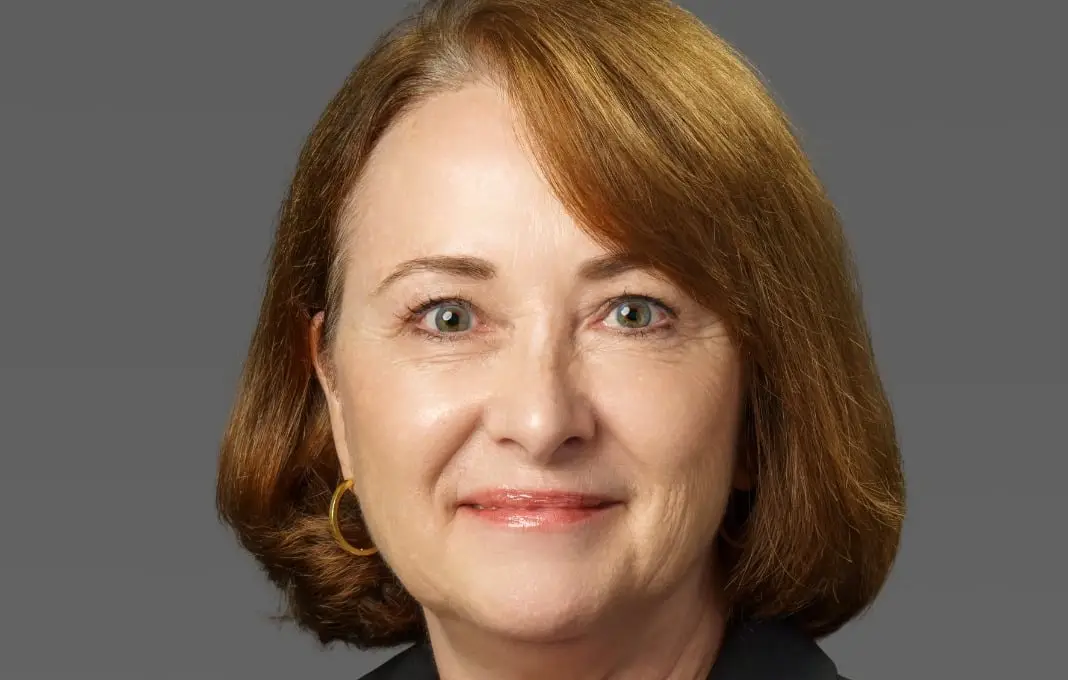
Joan Brodhead loves helping communities secure the capital they need to succeed.
Brodhead is senior executive vice president and chief strategic initiatives officer at Philadelphia-based Finanta, formerly Community First Fund. Finanta is a nonprofit financial institution dedicated to supporting community development in low-income communities. Since 1992, Finanta has provided innovative financing solutions to empower small businesses, nonprofits and community-driven projects.
Broadhead’s work has given her insight into both what it takes for new entrepreneurs to succeed and how to maintain and grow once you’ve made it to leadership positions. She spoke with Women Leaders Connect about accessing capital, obstacles to success—and how to overcome them.
Driving strategic initiatives in finance requires both vision and adaptability. What strategies have helped you create meaningful change in the communities you serve through your work at Finanta?
At Finanta, our strategies are rooted in community engagement. We routinely meet with local leaders, business owners and stakeholders to understand the financing needs specific to each community we serve. These conversations shape how we design flexible, innovative financial solutions that support economic development, business ownership and homeownership.
We take a disciplined approach to strategic planning, conducting formal assessments every five years. This includes direct interviews with community leaders and collaboration with peer organizations across the country to share best practices for expanding responsible credit access. Our five-year strategic plan serves as a roadmap that informs everything we do.
Over the years, these strategies have led to meaningful milestones: becoming a certified Small Business Administration lender; securing federal New Markets Tax Credits for large-scale community development projects; and most recently, establishing a credit union dedicated to serving low-income communities, particularly for individuals who are not using services offered by traditional banks. We’re focused on building systems that improve financial health and are both responsive and sustainable.
Access to capital continues to be a major challenge for women and minority-owned businesses. What practical steps can entrepreneurial women take to secure funding for their projects and build long-term financial resilience?
One of the most important steps entrepreneurs can take is to build a foundation through financial education and understand what financial records are needed and how to maintain them. It’s also about knowing where to turn for help.
We meet with many women who have great ideas and a clear vision and are still building the financial know-how to run a business. We provide financial education, one-on-one coaching and access to staff who specialize in helping new entrepreneurs adopt best practices. We also refer entrepreneurs to resources available through the U.S. Small Business Administration including local development business centers and community colleges.
Maintaining up-to-date financial records—both personal and business—is essential when seeking funding. Lenders like us need to see a full financial picture to provide support. Women who take the time to understand these requirements are not only more likely to secure capital, but they’re also building resilience that will serve them well long-term.
As a woman in leadership, advocating for bold, innovative ideas can come with unique challenges. What obstacles have you faced in this regard, and what advice would you give to other women looking to make a lasting impact in their organizations or communities?
In my experience, the greatest obstacles have often been moments where I lacked familiarity with a specific topic or process. What I’ve learned, and what I encourage other women to remember, is this: Never be afraid to ask a question. If you’re unsure about something, there’s a good chance that others in the room are, too.
Continuous learning is essential. You should be open to learning something new every day. Asking questions and seeking out information are critical for growth. Be authentic and confident in your leadership skills. You don’t have to know everything to be an effective leader, but you do need to be confident in your skills and willing to keep evolving.
Leadership is not static. It’s about building both your technical knowledge and your leadership capabilities over time.
Affordable housing and economic development are key to strengthening communities, yet systemic barriers remain. What role do women leaders play in driving equitable solutions, and how can they use their influence to create lasting change?
Women play a vital role in driving equitable, lasting change in their communities. Many of the most impactful grassroots organizations are led by women who live, work and raise families in the very neighborhoods they serve—they are part of the fabric of the community—mothers, grandmothers, wives and daughters. These women bring a deep understanding of the challenges their communities face and a long-term commitment to solving them.
Female leaders often bring experience from both the private and public sectors, and they leverage that knowledge to develop pragmatic, people-first solutions. They lead with empathy and with vision, thinking not only about immediate needs but also about what can be built for future generations.
By staying connected to the communities they serve and elevating voices that are often unheard, women leaders are key to addressing systemic barriers and advancing sustainable development.
I understand your organization recently changed its name from Community First Fund to Finanta, signaling a new chapter of growth and opportunity. How are you collaborating with other executive leadership to position Finanta for future growth? What new opportunities do you see emerging as you work to expand your current markets and potentially reach new markets?
Our rebrand to Finanta marks a bold new chapter, one that better reflects our community-based approach and our evolution as both a loan fund and a credit union. We maintain a highly collaborative leadership model, with our executive team meeting several times a month to review progress on strategic goals and tactical implementation plans.
We also believe in cultivating the next generation of leadership. That means involving managers and supervisors in strategic planning, offering professional coaching and giving them ownership of key initiatives. Investing in staff development is central to how we grow.
Looking ahead, our focus is on expanding low-cost financial services through our credit union. The strategy includes further developing products that meet the needs of residents who have had limited access to traditional banking services like home mortgages, access to credit-building loans, credit cards and mobile banking tools.
Financial education is core to this work. For many of our members, this is their first relationship with a financial institution. We want them to feel safe, confident and supported as they begin building financial security.