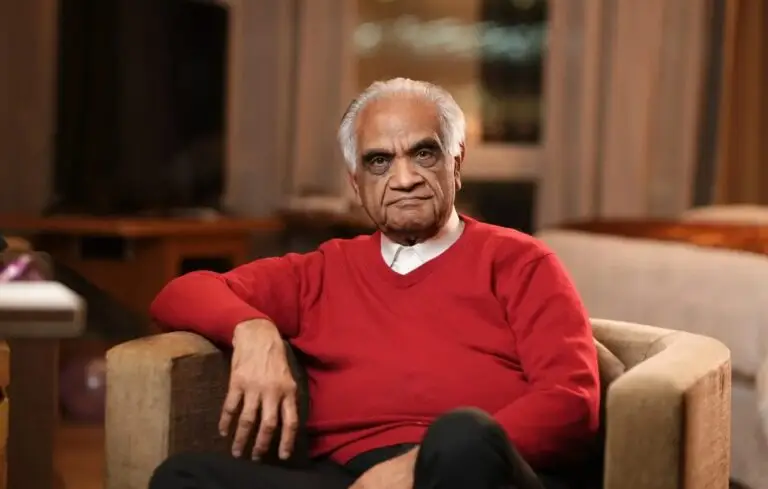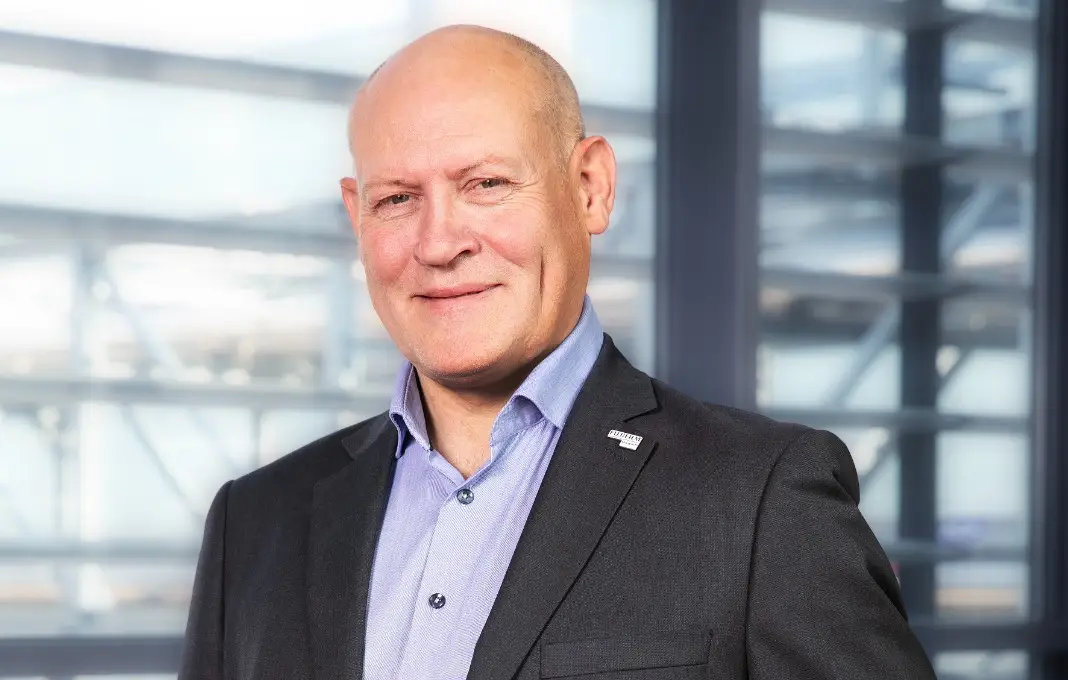
The future looks bright for pharmaceutical manufacturing in the U.S., according to Lars Petersen, president and CEO of Fujifilm Biotechnologies.
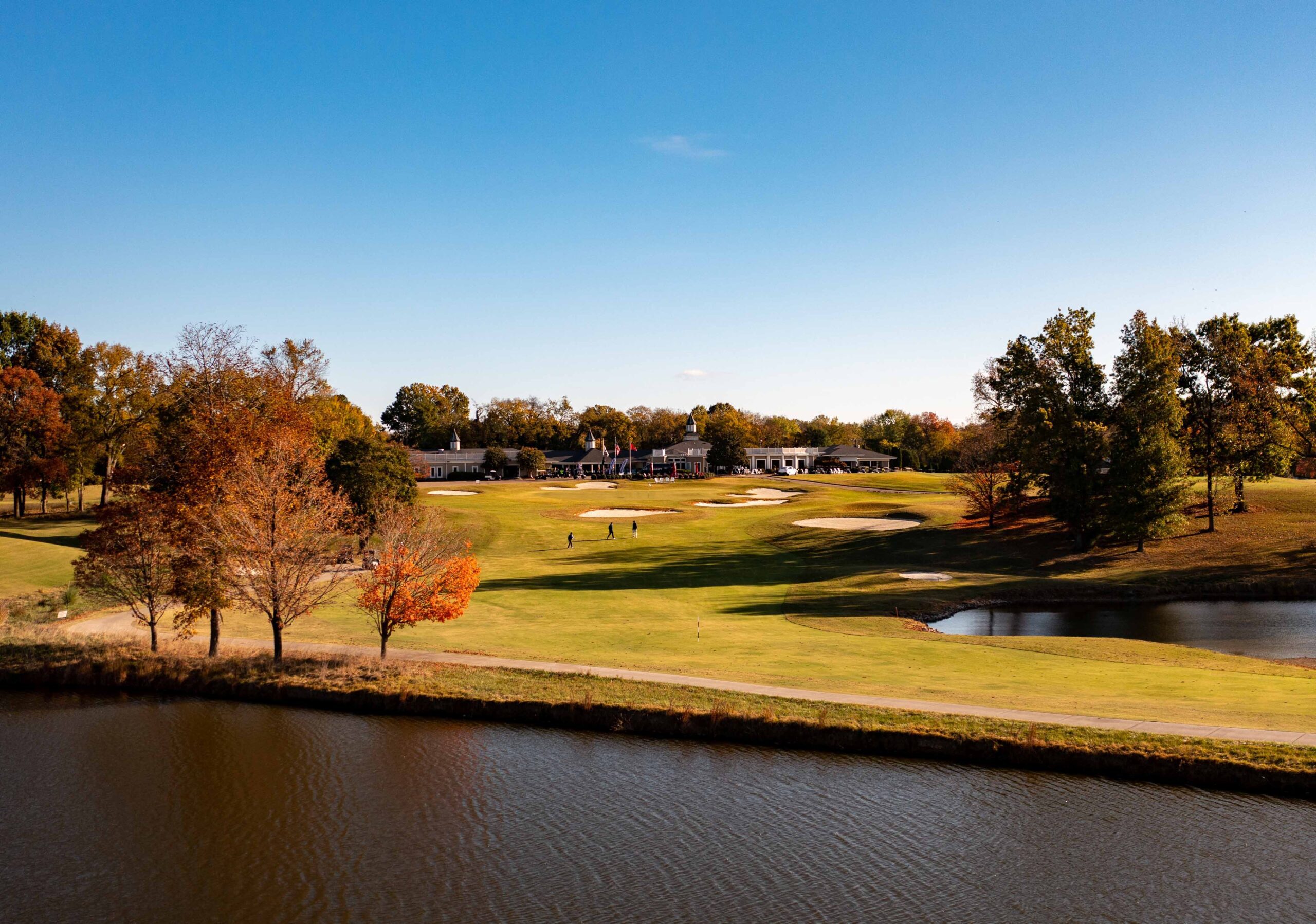
The global company, based in Denmark, opened one of the largest commercial-scale biopharma manufacturing facilities in the U.S. this past September. The new facility, situated on nearly 150 acres in Holly Springs, North Carolina, will make biologic medicines for complex diseases, on behalf of customers such as Johnson & Johnson and Regeneron.
Fujifilm Biotechnologies is a subsidiary of Fujifilm, yes—the 90 year old photo film company. In 2011, Fujifilm began investing in biopharma manufacturing, and today, with $8 billion-plus investments, it is the future of Fujifilm.
Petersen spoke with Chief Executive to share the company’s journey and what’s next.
Why is biopharma manufacturing the future of Fujifilm?
The early 2000s saw the decline in demand for photo film—Fujifilm’s core business. At this crossroads for the business, Fujifilm successfully transitioned its competencies in manufacturing and technological innovation into new emerging growth areas including healthcare.
In 2011, Fujifilm entered biopharma manufacturing with the acquisition of a UK and U.S. site, and since then has subsequently invested $8 billion through strategic M&A and expansions to grow into a global manufacturing network supporting multiple scales and modalities.
Fujifilm’s strategic biopharmaceutical focus is today principally on supporting our partners in biologics production and drug-delivery innovations that address unmet medical needs, with a current emphasis on hard-to-cure cancers, infectious diseases and neurological diseases.
Biopharma manufacturing is the future for Fujifilm, because we exist to make a meaningful difference in the industry—helping bridge the supply gap to help ensure patients in need get the medicines they need. Through our manufacturing hubs, strategically located in close proximity to our clients and patients, we can transform the industry, and support the continued supply of medicines.
You recently opened one of the largest biopharma commercial-scale manufacturing facilities in the U.S. Tell us about it.
Fujifilm has invested more than $3.2 billion in North Carolina to build the largest end-to-end cell-culture biopharmaceutical contract manufacturing site in North America. The first phase will include 8 x 20,000 liters mammalian cell culture bioreactors to encompass drug product and drug substance manufacturing, with finished goods to come online this year.
The second phase will double capacity with an additional 8 x 20,000 L bioreactors, for a total of 16. What this means is that we will be able make about 50 million doses per year from this site once it is fully operational in 2028. This is a major step towards helping to ensure that we can support our partners in delivering critical therapies to millions of patients here in the U.S. and around the world.
Any future plans to expand in the U.S.—whether that’s adding more pharma and biotech customers or more manufacturing facilities How is the biopharma industry’s reception to your new facility?
We haven’t announced any plans for further U.S. expansion at this time. We have sold out of our phase I capacity at our Holly Springs, North Carolina site, and have begun customer negotiations for phase II, which will begin in 2028. Our first publicly announced customer for phase II is argenx.
Describe your modular facility design approach which enables you to manufacture at a much faster pace.
We’ve reimagined how medicines are made through our kojoX platform. Kojo is a Japanese word which has a dual meaning of factory and improvement. To us, kojoX is an approach, philosophy and mindset—we’ve pioneered this modular approach to building manufacturing facilities and operating them. KojoX entails setting up modular biomanufacturing campuses with standardized equipment, processes and procedures in building and designing facilities—enabling us to build and manufacture medicines at a much faster pace.
Our modular facilities across continents offer scale and flexibility and speed. As an example, our Holly Springs site is a near-replica of our existing site in Denmark, and by building these modular facilities in parallel, using the same equipment, layouts and processes, we’ve successfully reduced design time at our Holly Springs site by more than 70 percent.