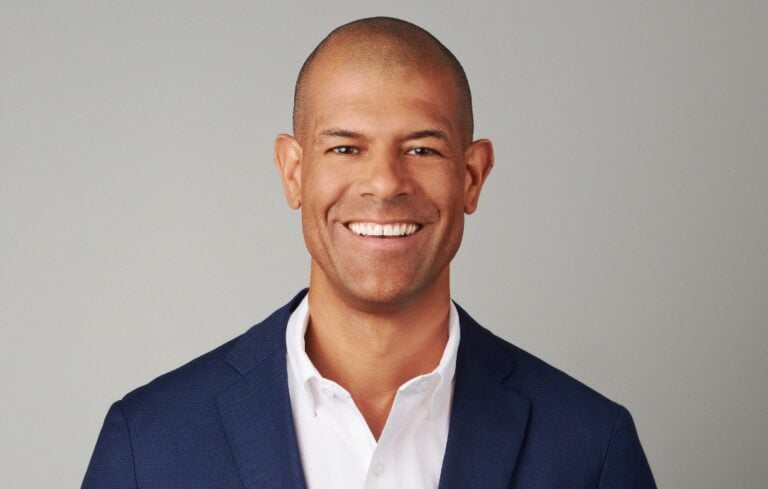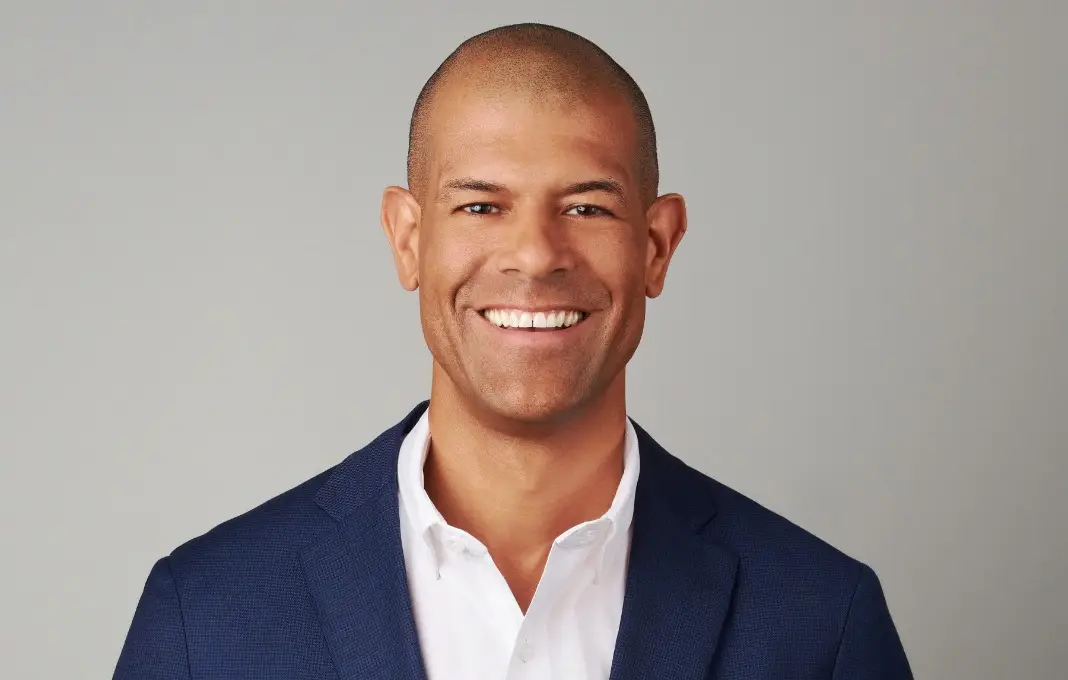
While millions dream of starring in the NBA, the truth is that few ever make the league. Fewer still earn All-Star contracts. For Shane Battier, a two-time NBA champion with the Miami Heat, the key to a long career was not trying to score 30 points nightly.
Instead, he sought to find a role.
For Shane, the idea crystalized after a specific game his rookie year. Kobe Bryant had just dominated him, but the first-year player learned a valuable lesson. He decided to focus only on what he could control in a given matchup.
Shane started to study his competitors. He wanted to limit their skills and bate their deficiencies. “Every player, as great as they were, had a relative strength and a relative weakness,” he said on a recent episode of the Corporate Competitor Podcast. “And my job was just to pick on that relative weakness.”
By studying film, for example, Shane learned that Kobe’s percentages dropped if he was forced to shoot with his left hand 10 feet from the basket. “So I focused on pushing him into that shot,” the defender told me. “Does that guarantee he’ll miss? No. But it gives you the best chance to win. The same is true in business. Does responding to every customer service ticket guarantee you’ll keep the customer? No. But it gives you the best chance.”
After a 13-year career, Shane traded his sneakers for a suit. Today, the Duke University graduate serves as chief culture advisor at the clean energy company Palmetto.
In his new role, he’s taken the lessons he learned on the court and brought them to the business world. For Shane, progress begins with good, repeatable habits you can control every day—something as high-minded as study or as simple as cordiality. “Just by saying good morning every single day, you improve the environment,” he offers.
He talked about all this and more, including:
- Be great out of the spotlight. As an athlete, Shane might touch the basketball 2 percent of the time he played for the Miami Heat. So, he says, it’s important to focus on the other 98 percent of the game and star in your role. He asks, “What are you doing in the other 98 percent out of the spotlight?”
- Culture takes work. Culture doesn’t just happen. It’s important for a team to set it and to live by it. Says Shane, “The teams, the companies that win, they invest in banging the drum and talking about culture and talking about the why, talking about the mission.”
- Focus on a plan. Success doesn’t occur by chance. It favors the prepared. For Shane, that meant visualizing every game and the outcome he wanted. He says, “I can think every single play and know what the best outcome was for me and what the worst outcome was for me.”