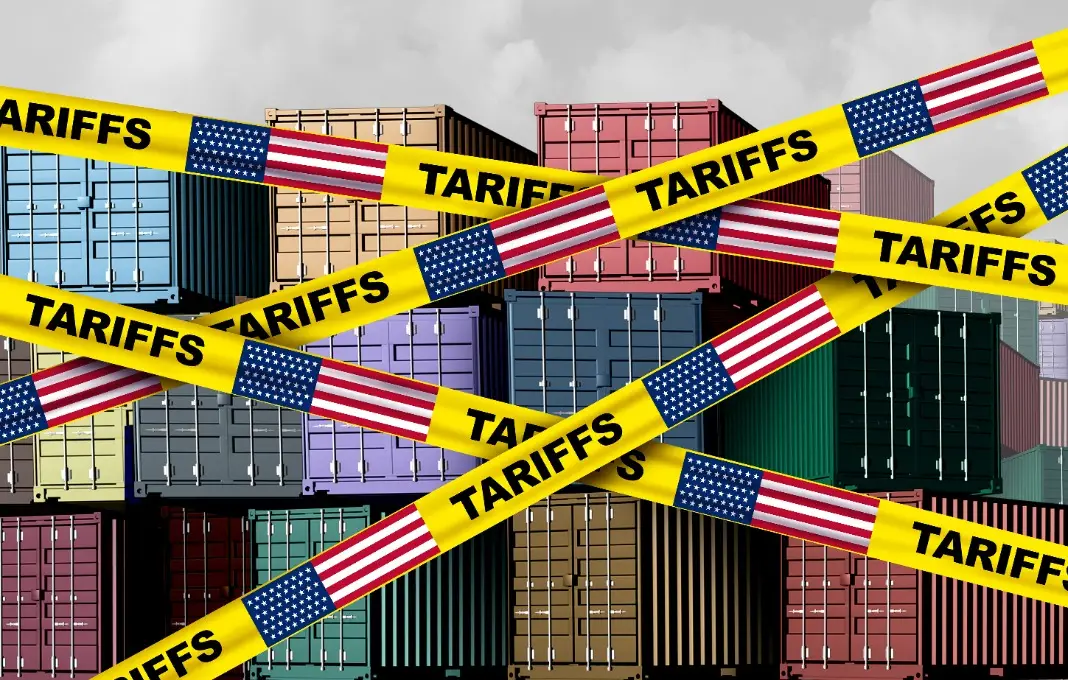
This morning’s 6-3 Supreme Court ruling striking down President Trump’s IEEPA-based tariffs is the most consequential trade news in decades. For mid-market CEOs who’ve spent the past year absorbing margin hits, repricing products and rerouting supply chains, the temptation is to treat this as an all-clear. It isn’t. The legal landscape may have shifted dramatically, but uncertainty hasn’t gone away. It’s just moving elsewhere.
Some quick thoughts on what you need to be asking today, and who to ask.
What got struck down—and what didn’t?
Who to ask? Your trade attorney or customs broker. Today, not Monday.
The court invalidated the tariffs Trump imposed under the International Emergency Economic Powers Act—the “Liberation Day” reciprocal tariffs on nearly every U.S. trading partner, plus the duties on Canadian, Mexican and Chinese imports tied to fentanyl enforcement. What stays: steel and aluminum tariffs under Section 232, existing Section 301 China tariffs and anything imposed under other statutory authority. Before you do anything else, get your trade counsel on the horn and have them walk you line by line through which tariffs applied to your specific imports and which of those just disappeared.
Are we getting our money back?
Who to ask? Your CFO and trade counsel together. Your customs broker can help reconstruct the paper trail.
Probably not anytime soon—and maybe not at all. The ruling was silent on retroactive refunds, which means that fight goes back to lower courts and could drag on for years. The government has collected north of $130 billion under IEEPA since early 2025. Courts don’t hand that back easily. Don’t build refund expectations into your financial projections. Do make sure your records are clean—every tariff dollar paid, organized by entry and HTS code—in case a refund mechanism eventually materializes.
Will Trump just put the tariffs back under a different law?
Who to ask? You know the answer to this one already, but it’s worth talking to your trade attorney or trade association.
Yes, of course. Even Justice Kavanaugh’s dissent (he voted with the administration) acknowledged the president likely has other paths to many of the same tariffs. Sections 232, 301, 201, 122 of the Trade Act all remain available. The difference is those routes require more process and, in some cases, congressional involvement. This is a reshuffling of trade risk, not an elimination of it.
Should we reverse the pricing decisions we made to absorb tariff costs?
Who to ask? CFO first, then head of sales, then your most important customers—maybe.
Not reflexively. Prices moved up over 12 months; they shouldn’t come down without a deliberate decision—and your competitors are sitting in the same position you are. The smarter near-term question is whether recovered margin can be redeployed: competitive pricing, customer retention, investments that tariff uncertainty had frozen. The answer is different for every company, which is exactly why this belongs in front of your CFO and your top sales leader before you say anything to customers.
What do we do about the sourcing decisions we made to avoid tariffs?
Who to ask? Your chief supply chain officer, with legal and finance in the loop.
Nothing right now. Reshoring and nearshoring moves were expensive and are not costless to unwind. Before you reverse course, evaluate each decision on its own merits, independent of tariff status. If a domestic or nearshore supplier relationship is now genuinely competitive—on quality, lead time, total cost—keep it. If the only reason you made the move was tariff avoidance, revisit it, carefully. The administration still has real tools to reimpose duties, and the last year should have taught everyone something about building supply chain resilience regardless of the trade environment.
How do we handle the board and investors?
Who to ask? General counsel and CFO. If you’re public, IR counsel as well. Don’t wing this one.
You’ve likely cited tariff exposure or mitigation costs as a material factor—in earnings calls, board presentations, filings. That calculus just changed. Your board should hear from you today or first thing Monday with a clear-eyed summary: what changed, what didn’t, what you’re monitoring. Public company CEOs should have their general counsel and IR team in the room before that communication goes out.
What’s the real takeaway here?
Who to ask? Now that’s a really good question. No one really knows what’s next.
The ruling is a landmark. It’s also one ruling, and this administration has shown it will find other levers when one is taken away. The era of tariff volatility isn’t over—it just entered a new phase. The companies that navigated the last year best weren’t the ones who predicted the policy correctly; they were the ones that had built flexibility into their operations, sourcing, contracts and balance sheets. That lesson doesn’t expire with this ruling.