The Australian Open wrapped up in an exciting battle last weekend. This weekend, two teams will take the field for the Super Bowl and we welcome another Winter Olympic Games.
Different sports. Different dynamics. Same leadership lesson.
At the highest levels of competition, performance doesn’t hinge on effort, motivation or even talent. Everyone on the court or field has those in abundance. What separates winners from runners-up is whether the conditions to perform under pressure have been deliberately built.
That distinction shows up repeatedly in my work with executives—though it’s rarely named explicitly.
Rely on fundamentals
At match point, elite tennis players don’t suddenly try harder. They rely on fundamentals that have been relentlessly reinforced, a mindset shaped long before the moment arrives, and clarity about what matters now—and what doesn’t.
With each stroke, the offensive player builds the point, causing their opponent to respond in a way that makes it easier for the offensive player to win.
The same logic applies in organizations. When performance stalls, leaders often look first to people: who to change, who to upgrade, who isn’t delivering.
Talent rarely fails strategy. Conditions do.
When performance becomes collective
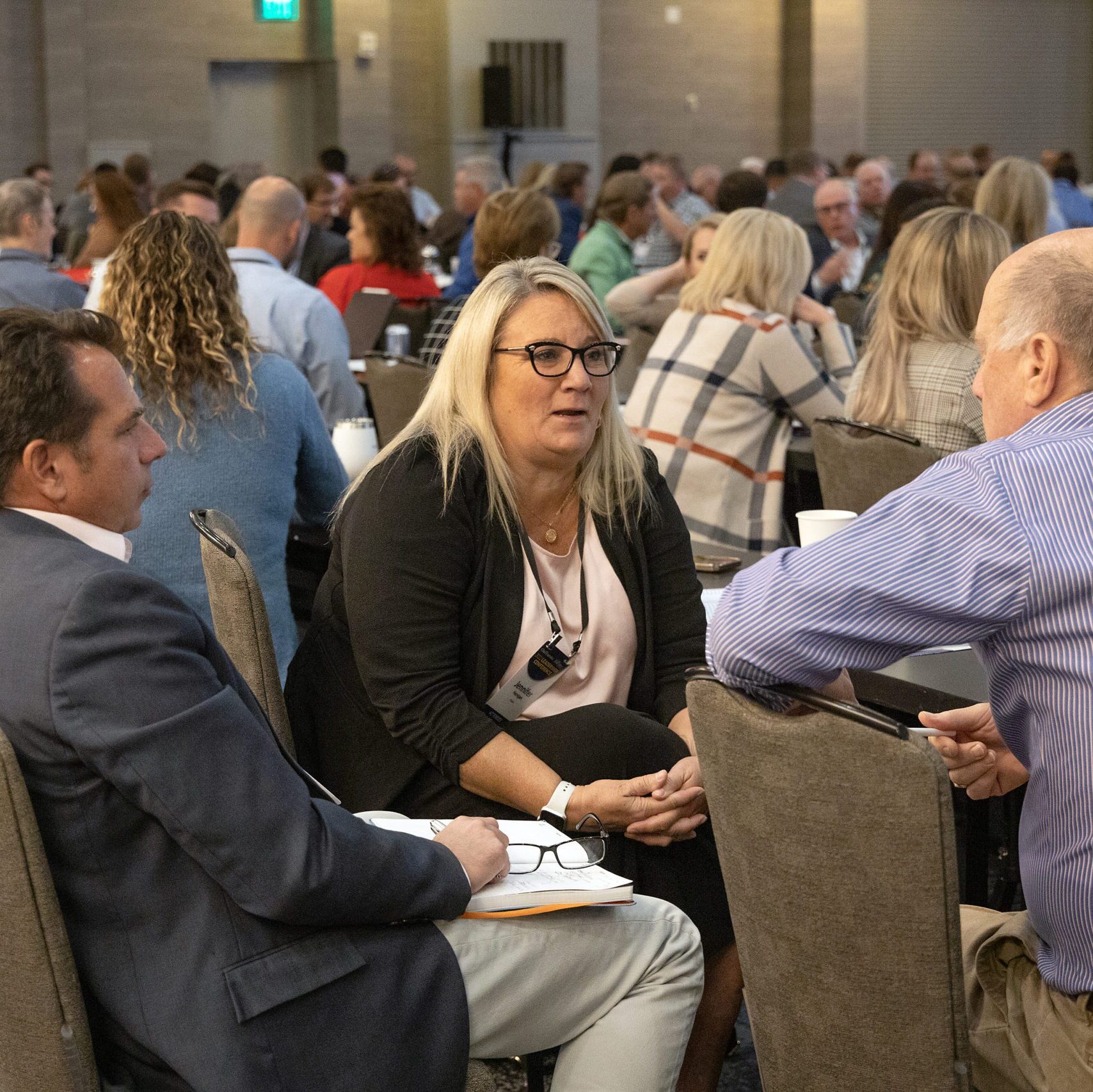
The dynamic shifts when performance moves from individual to collective.
Team USA’s performance at the 2025 Australian Open demonstrated that high-performing teams are not defined by chemistry, goodwill or even experience. Exceptional teams are defined by shared context, disciplined focus and the conditions that allow individual excellence to compound rather than compete.
What distinguishes teams that perform consistently under pressure has little to do with motivation and everything to do with how the environment has been designed.
And then there is strategy
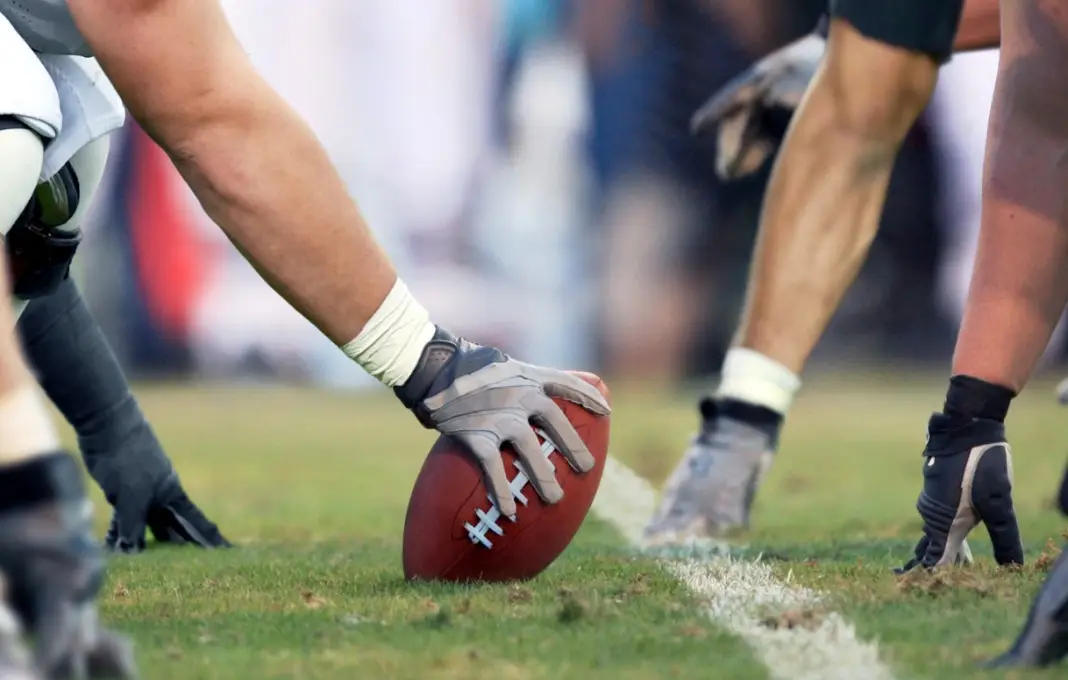
Whether or not you are a football fan (as I am not), the game and all that surrounds it can be captivating.
As Super Bowl anticipation builds, executives will hear familiar debates about offense versus defense. Super Bowl LIX showed us what each can deliver. But the real lesson isn’t choosing one over the other—it’s designing an organization that can shift seamlessly between the two.
Defense requires keeping the competition at bay, becoming an impenetrable wall against external threats. Effective CEOs know that impenetrable does not mean immovable. Strong organizations respond to different conditions as they arise. They ask:
What must we fix or reinforce now—or pay for it later?
Anticipation, not reaction
Defense is not purely reactive. It requires anticipation.
The most successful executives take time to identify and close vulnerabilities before they derail progress. Similarly, offense is not simply about pursuing opportunity. It is about patiently and deliberately laying the foundation required to accelerate when the moment is right. Consider:
Where must we move first to shape the market for tomorrow?
Championship teams integrate offense and defense in real time, guided by a clear understanding of the objective and the conditions required to achieve it.
A persistent executive misdiagnosis
Taken together, these examples reveal a persistent executive misdiagnosis.
When results stall, leaders push harder on execution, change players or revisit strategy. Rarely do they step back and ask a more fundamental question:
Have we intentionally built the conditions required to win?
This is where well-intended leadership decisions quietly erode strategy.
Conditions come first
People. Operations. Systems. How you lead. How decisions get made under pressure.
Championship performance doesn’t start with effort. It starts with conditions.
The most effective C-suite leaders examine whether the environment actually supports winning. They create organizations where the right decisions are easier, the right tradeoffs clearer and the right actions repeatable—especially when pressure is highest.