Editor’s Note: With a bevy of stressors, every CEO knows—and fears—the truth about this job. It can be a killer. That’s led Chief Executive to team with the renowned faculty at Mayo Clinic Executive Health to help you rethink some of the most important—and too-often overlooked—aspects of maintaining good health as CEO. We’ve collected the articles in a growing library. We hope you find this initiative useful.
The following post is by Mayo Clinic’s Sara Youngblood Gregory.
Like many others at the height of COVID-19 lockdowns, I was suddenly working remotely, socially distancing from family and friends, and leaving the house only for trips to the grocery store. I craved the ability to get out and escape the overbearing presence screens had in my life.
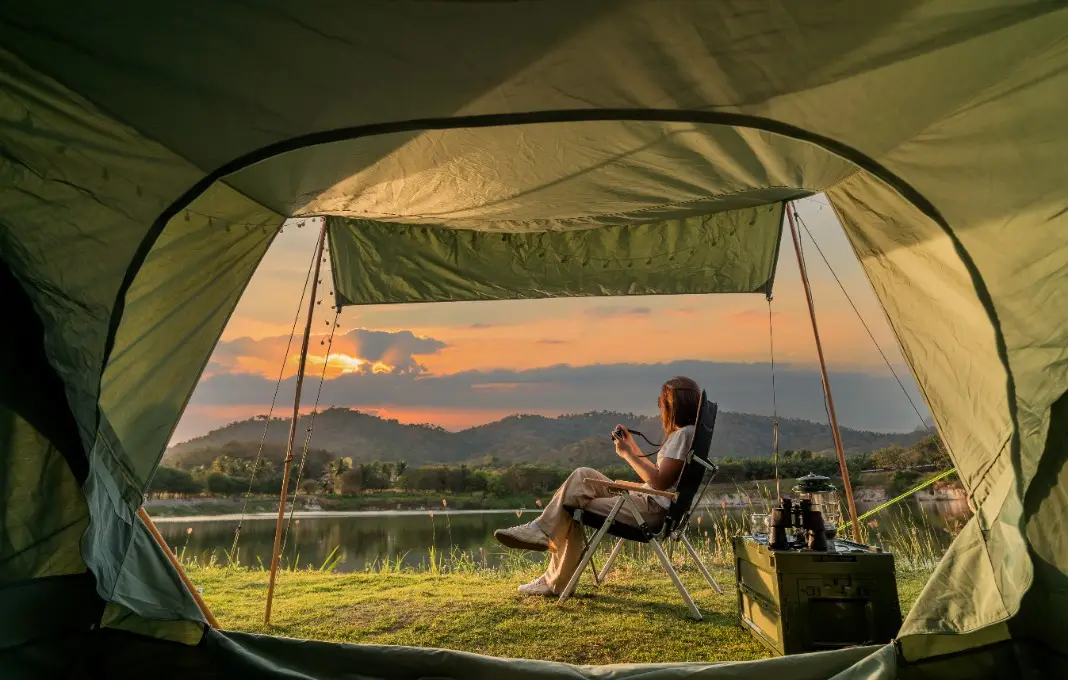
That‘s when I discovered my love of camping. Weekend camping trips let me take advantage of the gorgeous freshwater springs, trails and nature preserves in my area.
I felt the difference almost immediately—out in the woods I wasn’t scrambling for my phone or thinking about work deadlines. My attention span seemed to lengthen and level out. I relaxed. I came home feeling rested and a little more cheerful, and these trips became a way to manage the stress of the pandemic.
Aside from a nice weekend getaway, what I was actually experiencing were the benefits of nature on my mental health—something researchers and healthcare providers have long noted.
“There are many studies that demonstrate how spending time in nature can improve mood, lower anxiety, and improve cognition and memory,” says Mayo Clinic nurse practitioner Jodie M. Smith, APRN., C.N.P., D.N.P., M.S.N. “Making time for nature is important in order for us to maintain resiliency and promote self-care in a world that demands a lot from us.”
Below, Smith discusses exactly why nature is so good for your mental health.
How does nature benefit mental health?
First and foremost, Smith says that nature can be an effective tool to manage stress.
“Stress stimulates our sympathetic nervous system, which is responsible for increasing our blood pressure, heart rate and blood sugar in order to react to a stimulus that is causing us stress,” says Smith.
And while not all stress is bad—for example, stress can motivate you to meet a work deadline or keep an eye on your kids at the pool—prolonged or chronic exposure to stress can chip away at your emotional and mental well-being.
But nature may be able to combat stress and its effects. For example, one study showed that exposure to nature can regulate the sympathetic nervous system in as little as five minutes.
“This means that we can get an almost immediate benefit from stepping outside,” says Smith. And doing so on a recurrent basis may prevent cumulative effects from stress, which could mean a lower risk for chronic disease, illness and mortality.”
In addition to alleviating stress, Smith says research indicates that exposure to nature can be an effective coping strategy for those with chronic mental health conditions, including depression, anxiety, post-traumatic stress disorder (PTSD) and attention-deficit/hyperactivity disorder (ADHD).
Prolonged immersion in nature and nature-based therapy programs have shown promise as a way of managing PTSD.
Even for those without serious mental health conditions, nature may help you manage emotions like loneliness, irritability and possibly even road rage.
Finally, there is evidence that nature exposure is associated with better cognitive function—like memory, attention, creativity and sleep quality.
But perhaps the best part is that nature makes it easy to soak in these benefits.
“Being present in nature doesn’t ask or require anything of us, so it frees up our mind to think more deeply and clearly about things,” says Smith.
Next time you’re outside, take a moment to listen, touch, smell. Notice the environment around you and simply be present.
What if I live in the city without much nature around?
According to the World Health Organization (WHO), over 55 percent of people live in urban areas—a number that is expected to rise to 68 percent by 2050. Increasing urbanization can bring unique health challenges, as WHO estimates that the majority of city-dwellers experience inadequate housing, transportation, sanitation and waste management, as well as low air quality. Combined with the lack of green space in many cities—or open, often walkable areas with plants, natural landscape and water—accessing nature isn’t always as simple as just going outside.
“Cities can be very energetic and exciting but also can contribute to both conscious and unconscious stress from the sensory overload and challenges of maneuvering in those spaces,” says Smith. “If you live in an urban environment, exploring to find even a small natural reprieve can be extremely beneficial.”
If you are unable to fully immerse yourself in nature—like by taking a weekend camping trip—you can still carve out opportunities in your area. This might look like finding a small park near your workplace, taking a moment to sit under a large tree or taking the time to find a pond or body of water.
“Taking a purposeful five-minute break during the day to refresh your mind in this type of environment can provide a benefit and can be justified by knowing that we will feel better and more productive afterward,” says Smith.
Technology, too, represents a significant distraction—and barrier—to quality time outside and unplugged. Texts, email and social media require a lot of attention, which can take you out of the moment. Instead, Smith recommends leaving your phone behind when seeking green space.
“Slow down, go outside, notice what’s around you,” says Smith. “Listen to the birds and the wind and the crackling of the leaves under your feet, and you really will notice a benefit in your well-being.”
How can I interact with nature if I’m stuck inside all day?
In addition to simply spending more time outdoors, there are several strategies to get more green space into your daily life.
First, consider how you can enjoy nature even if you’re stuck inside. Although it’s not a replacement for fully immersive, outdoor green space, you can still engage your senses by listening to recorded bird songs or a rainstorm instead of music, bringing lush plants into your home and office, decorating with pictures of natural beauty or using a diffuser with natural scents.
“(These strategies) can improve relaxation and work satisfaction through the same mechanisms that being outdoors can provide,” says Smith.
On a wider scale, you may consider working with your neighbors to plan a community garden, joining or coordinating a walking or bird watching club, and advocating for high-quality parks and environmental centers in your town or city.
How much nature do I need?
Some research suggests that even very quick visits outdoors can be beneficial. But there are indications that certain amounts and types of outdoor time may have greater impacts on well-being. A 2021 study, for example, found that the 20- to 90-minute sessions in nature were most beneficial for mental health, with gardening, nature-based therapy and exercise in green spaces being the most effective for adults.
One large survey found that people who spent at least two hours a week in nature—whether in one longer outing or in multiple smaller chunks of time—were more likely to positively describe their health and well-being than were people who spent no time in nature. If that seems unattainable, Smith recommends that you aim for 15 minutes each day.
“There are added benefits that can come from prolonged immersion, so each week try to spend an hour outside doing something you enjoy, and each month try to spend a half day [outside],” says Smith.