Every breakthrough creates a byproduct.
Consider artificial intelligence. Behind the chips, servers and data centers lies an entire, often unseen, industrial ecosystem. As AI adoption skyrockets, so does the need for the environmental infrastructure required to support that growth responsibly.
The same logic applies to innovation in sectors like GLP-1 therapeutics, energy infrastructure and advanced chemical manufacturing.
The engines that fuel this progress are also the engines that create responsibility. Factories, water treatment, chemical handling and countless other industries produce complex streams of waste (often hazardous) in service of these breakthroughs. Every new wave of innovation creates new opportunities, but it also creates obligations that cannot be overlooked.
In many ways, environmental infrastructure is the foundation that allows innovation to scale responsibly.
Scaling Innovation
Across the United States, industrial investment is reshaping the landscape. Manufacturers are expanding domestic operations, building facilities for emerging technologies and reshaping supply chains to be more resilient. This is good news for growth, jobs and communities.
However, this growth comes with multiple obligations as waste streams become more complex.
Customers expect operational continuity. Regulators demand accountability. While communities want economic development, they also want to protect their air and water. Investors and other stakeholders increasingly expect companies to manage these challenges responsibly and transparently.
What was once viewed as a compliance burden, is becoming a strategic priority.
The ability to manage materials and their outputs responsibly, adapt to changing requirements and maintain operational continuity are strategic capabilities. Companies that effectively manage the byproducts of their progress are better positioned to grow, respond to disruptions and build trust with key stakeholders.
This shift is occurring at the same time many organizations are rethinking how they build resilience.
Business leaders have spent the past several years preparing for an increasingly complex operating environment.
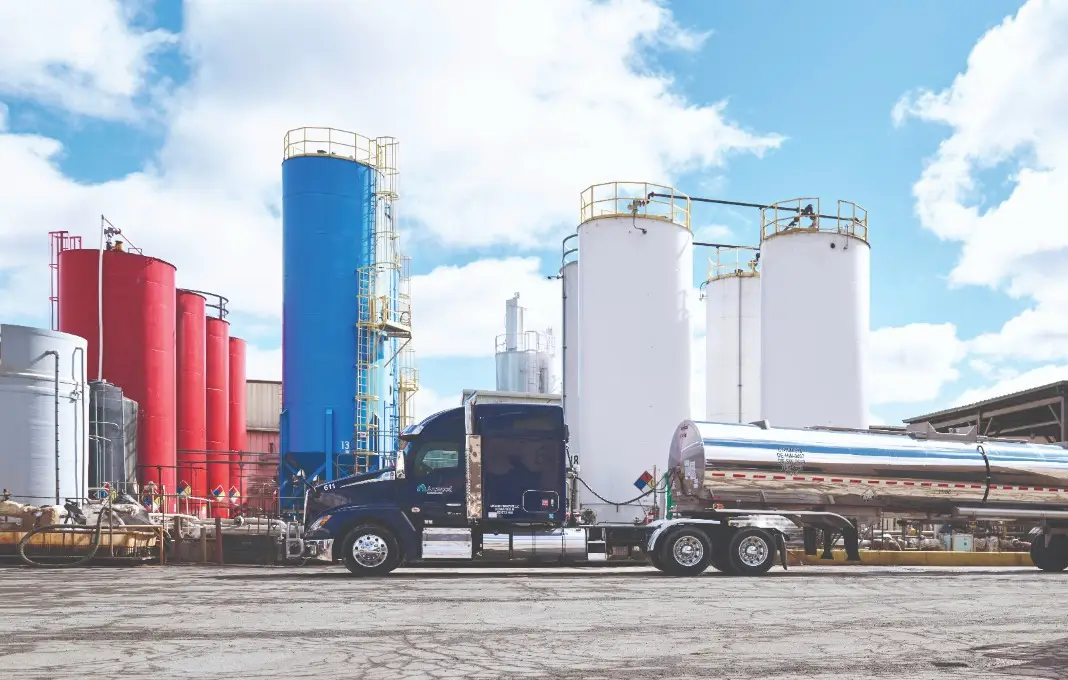
Environmental infrastructure deserves a place in that conversation. Environmental infrastructure encompasses more than most realize. It includes not only the safe treatment, transportation and disposal of regulated wastestreams, but also the systems and technologies that enable recycling and resource recovery. As manufacturing scales and new innovations reach commercial scale, the demand for environmental infrastructure and integrated solutions will continue to rise.
And the companies that will thrive over the next decade are those that embed environmental stewardship into growth planning, not only when they are held accountable for remediation.
Partnering for Progress
To achieve this, however, companies need expert partners with permitting expertise, regulatory strategy and robust data capture and reporting.
They need partners capable of navigating complexity while helping them operate more efficiently, sustainably and confidently.
PFAS is one of the clearest examples of this shift. “Forever chemicals” are forcing businesses to confront a larger truth: Waste management is no longer just about containment or compliance. It is increasingly about confidence—confidence that persistent contaminants can be treated through credible, high-performance destruction pathways and confidence that environmental risk is addressed before it becomes a stranded liability.
In my experience leading Arcwood Environmental, working with manufacturers and industrial companies across the country, I have seen firsthand that customers increasingly want more than a service provider.
They want a reliable, responsive partner who can help solve complex challenges, create value and provide peace of mind. They understand that real reliability requires a different cost structure— as growth requires that materials need to move farther from the disposal sites. They want innovative solutions that recover resources, increase recycling, improve efficiency and support their risk mitigation and stakeholder engagement.
America’s future will be shaped by innovation in technology, healthcare, manufacturing, energy and infrastructure. Those investments will create tremendous opportunities, along with new responsibilities.
Ultimately, industrial growth and environmental responsibility are complementary forces that create the foundation for sustainable progress. The companies that recognize and strategically respond to this reality will be best positioned to lead the next era of American industry.