Every CEO wrestles with the paradox sooner or later.
On one hand, modern leadership gospel preaches empathy, psychological safety and emotional tranquility. On the other, we look at the icons who actually reinvent industries and build enduring enterprise value—Elon Musk, Steve Jobs, Anna Wintour, Jeff Bezos, Martha Stewart—and see relentless intensity, uncompromising standards and a complete disregard for comfort.
As venture capitalist Marc Andreessen put it: “The single biggest question in all of business right now is ‘Why don’t more CEOs operate the way that Musk does?’”
It has left corporate leaders genuinely torn. Are these iconic builders winning despite their abrasive edges, or because of them? Is toxicity somehow the secret ingredient to outsized performance?
In an effort to rid the corporate world of toxic jerks, many organizations engineered a massive overcorrection. They traded operational rigor for comfort. They elevated emotional ease into a supreme corporate virtue and confused avoiding friction with building a healthy culture.
Driven by fear of retention problems, negative Glassdoor reviews or getting canceled, executives were quietly advised to shrink: Tone down your conviction, smile, nod and never rock the boat.
The result is what we call the Mirage of Compassion: the appearance of care without any of the substance.
When leaders prioritize their own comfort and their team’s ease over fulfilling the mission, standards slip, accountability dissolves and top performers check out. Real compassion in business isn’t about sheltering people from uncomfortable truths or the strain of hard challenges—it’s genuinely caring enough about their growth and the mission to confront reality with them.
Kindness matters because our teams are made of human beings, not machines. But in our coaching work with CEOs, founders and senior executives at companies like Apple, Nike, DoorDash and Intel, we’ve seen firsthand that kindness without backbone will never build an industry-defining company. If you want to innovate, dominate your market and leave a dent in the universe without becoming a jerk, you have to be what we call tough enough.
Redefining Toughness
Before you can build an elite culture, you have to strip away the bad caricatures of what being “tough” actually looks like.
Real toughness isn’t macho theater. It isn’t screaming in boardrooms, public humiliation, emotional volatility or vindictive behavior. When a leader’s conduct instills fear while eroding standards, or feeds their ego at the expense of the company’s mission, it’s fake toughness.
True toughness is the ability to commit to a mission, stay strong in the face of challenges and push others toward excellence. That push isn’t just about demanding results—it’s about actively coaching and supporting your people so they reach a level of capability they didn’t know they had.
It’s an operating system built on two fronts:
- Internal Fortitude: Trainable mindsets and inner capacities like conviction, boldness, disagreeableness, urgency, resilience and a high pain tolerance.
- Relational Backbone: The muscle to lean directly into uncomfortable conflict, voice frustration and other challenging emotions constructively, deliver unvarnished feedback and push through awkward accountability conversations.
Being tough doesn’t mean being cruel. It means knowing how to balance respect with directness—and having the courage to do both at the same time.
Four Ways to Build Your “Tough Enough” Muscle
Leadership toughness isn’t a fixed personality trait you’re born with; it’s an active discipline. Here is what that looks like in practice:
1. Have a Clear Manifesto and Increase Your Conviction
Toughness starts with articulating a crystal-clear mission and vision and an unapologetic standard of execution. If your team is unsure what “exceptional” looks like, that is a leadership failure. Define the bar clearly, communicate it with conviction and enforce it consistently.
2. Fiercely Pursue the Truth and Expand Candor
The higher up your position at the company, the harder it is to see the reality on the ground. Combat this by cultivating fierce organizational candor. Make it clear that bad news must travel fast, and model a willingness to absorb hard truths without defensiveness. It’s equally critical that you are fully honest in your communication. When work is sub-par, say so directly and constructively. Withholding clear feedback to protect someone’s feelings sacrifices their long-term growth and compromises the team’s performance.
3. Build Your Personal “Accountability Stack”
Accountability cannot simply be an ad-hoc reaction to a crisis; it must be a repeatable system that intervenes when things start to veer off track. Build a deliberate “accountability stack”—a structured mechanism of checkpoints, metric cadences and review protocols tailored to your organization. When the work falls short, your system should automatically trigger deeper inspection, root-cause diagnosis and occasionally negative consequences.
4. Stop Hiding Authentic Emotion
The mirage of compassion taught leaders to be bland and emotionally flat. But holding back authentic emotion only leaves teams guessing where you stand. Purposefully communicating genuine disappointment or frustration clarifies the stakes and drives performance breakthroughs. When a critical project slips, when quality fails or when urgency is missing, do not mask your concern in the name of being a balanced leader. Authentically expressing frustration, urgency or disappointment—grounded in care for the mission, not malice toward individuals—signals to your organization that the work truly matters and helps them shift their behavior.
History is not made by leaders who default to the path of least resistance. If you intend to disrupt your market and lead your industry, shed the mirage of compassion. Step up, embrace the friction and lead with the toughness your mission demands.
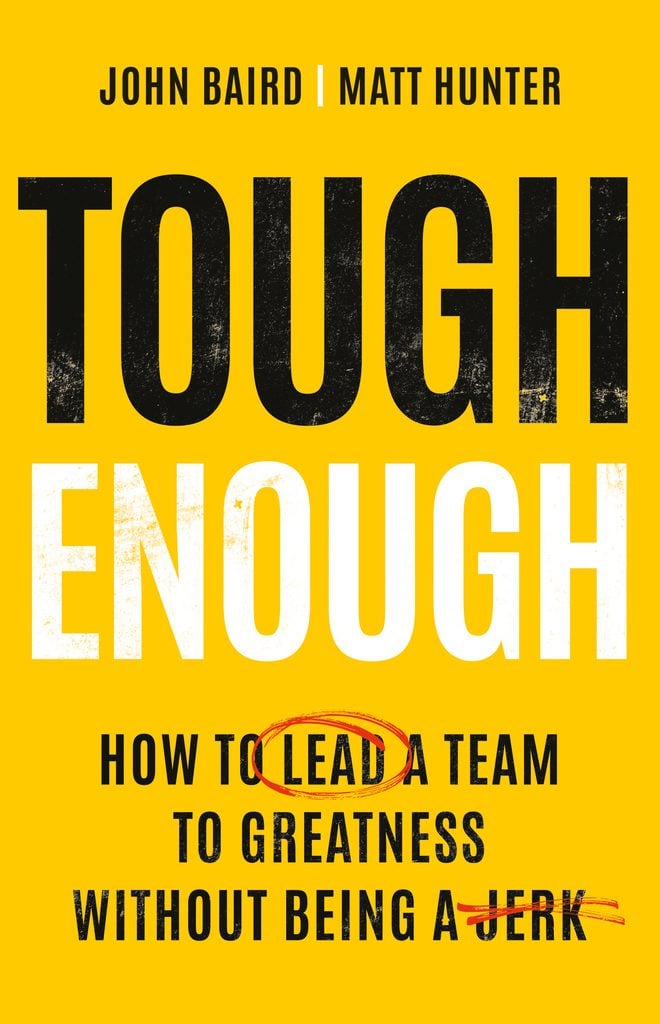
This article is adapted from the book TOUGH ENOUGH: How to Lead a Team to Greatness Without Being a Jerk (Basic Venture / Hachette) by Matt Hunter and John Baird.