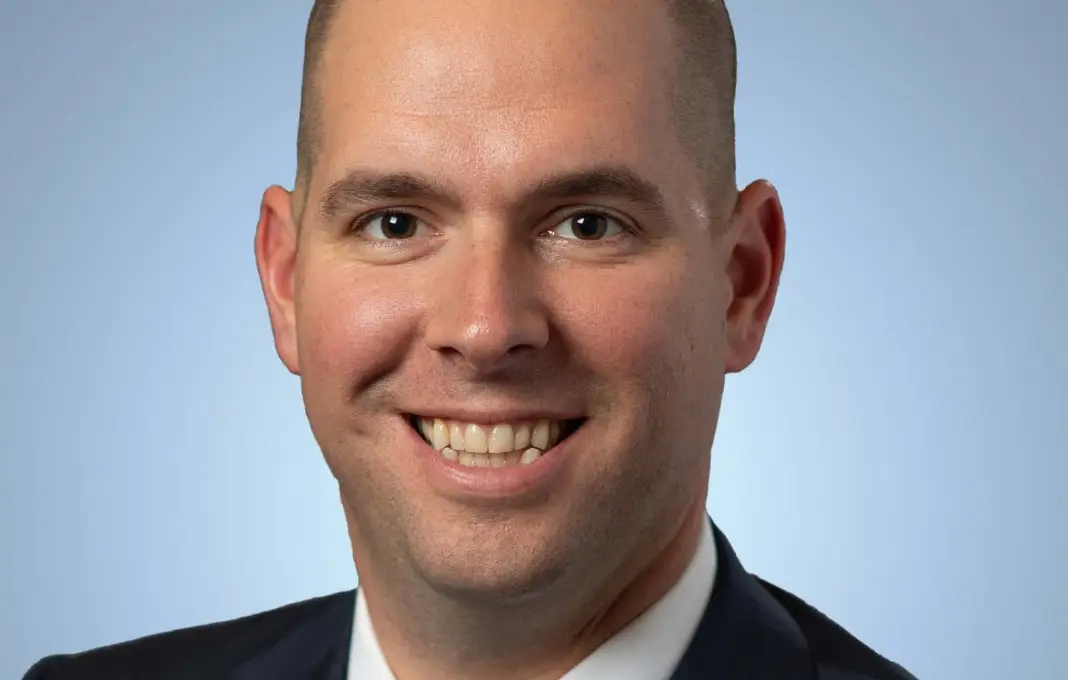
Touchstone Investments, the Cincinnati‑based asset manager known for its actively managed mutual funds and ETFs, is expanding its reach with Ben Alge at the helm, betting that independence‑minded registered investment advisors (RIAs) and demand for distinctively active strategies will shape the next decade of asset management.
As president, Alge is leading a push to deepen the firm’s presence with RIAs while extending Touchstone’s “distinctively active” approach across mutual funds and ETFs in key areas like fixed income and international markets.
Why is your firm targeting the RIA market—and how are you going about that? What have you learned from this approach so far?
Targeting the RIA market has felt like a very natural extension of who we are. This market is a great fit for what we do. Advisors don’t go the RIA route by accident—they choose independence because they want to think differently and build something intentional. If I were an RIA putting a flag in the ground, I’d want to know that Touchstone understands what I’m trying to accomplish. This alignment has made us an attractive partner.
We’ve also evolved how we deliver practice management. Recognizing that today’s top RIAs, especially the large aggregators driving consolidation, behave more like small wirehouses with centralized investment decision frameworks, we’ve restructured our sales approach. We’ve also bolstered our team to better serve RIAs across strategic coverage points.
We have spent over a decade building out a suite of tools within our practice consulting program that are tailor made for advisors who are looking to become more efficient, scalable and ultimately grow. Today, our practice consulting process is far more data-agnostic, allowing us to work with RIAs that often don’t have the internal resources for that function, despite having an even greater need for it.
The early lesson has been clear: RIAs are looking for a true partner, not another vendor. Firms that understand independence, can engage at the right strategic levels and are willing to invest in long-term relationships are the ones that earn trust, and that’s where we’ve been able to make the biggest impact.
What are the advantages of actively managing mutual funds and ETFs, versus those that are passively managed?
At Touchstone, we think about active management as being “distinctively active,” building portfolios that are intentionally different from their respective benchmarks and designed to add value. That’s one of the key advantages active mutual funds and ETFs can offer.
Active management gives portfolio managers the flexibility to adapt as markets change, adjusting risk, emphasizing high-conviction ideas and drawing on deep experience within specific segments of the market. When a manager has spent years focused on a particular asset class or strategy, that expertise, skill and discipline become meaningful inputs in pursuing the fund’s objectives.
For investors seeking differentiated outcomes, accountability and thoughtful risk management, actively managed strategies can serve as powerful tools.
Tell us about the rising demand for active ETFs, and in what areas that particular interest clients.
We’ve seen strong and growing demand for actively managed ETFs as advisors look for ways to combine the benefits of the ETF structure with the flexibility of active management. Active ETFs offer liquidity, transparency and tax efficiency, while still allowing managers to make real decisions as markets change, and that combination has really resonated.
The areas drawing the most interest tend to be where active decision-making matters most. Fixed income is a big one, particularly in a shifting rate environment, where flexibility and risk management can make a meaningful difference. We have a lot of discussions with advisors about our three fixed income ETFs because advisors regularly look for ways to generate income and actively manage risk for their clients.
We’ve also seen a resurgence in interest in active ETFs in international markets. What had been a forgotten space for many years is suddenly back in favor, and the ability to diversify some risk from domestic equities combined with the tax efficiency of the ETF structure has been a welcome refuge for investors.
Extending our distinctively active approach into ETFs has been a direct response to what advisors are asking for: high-conviction, thoughtfully managed strategies in a structure that fits how they build portfolios today.
What does the future hold for the industry—and for Touchstone?
I think the future of this industry is incredibly bright. At the end of the day, wealth still needs to be invested, and people still need security, income and confidence heading into retirement. That fundamental need isn’t going away.
That said, the industry will continue to experience change. Technology, especially AI and better use of data, is already reshaping how we reach clients, understand their needs and deliver a better overall experience. That should continue to improve outcomes and make advice and solutions more accessible.
We also could see continued consolidation across the industry, along with a broader shift toward ETFs and lower-cost, more efficient structures. All of that will likely put pressure on margins, which may force firms to be more intentional about where they add value.
At Touchstone, what’s exciting is that we’re building on a very strong foundation. Blake Moore and the leaders that came before me did an incredible job of bolstering our capabilities, growing our product suite and investing in our people, all while reinforcing the philosophy that Touchstone doesn’t settle for ordinary.
As president, my priority has been continuing that momentum—supporting the team and staying focused on what we do best: delivering distinct, active strategies and continuing to evolve alongside them as the landscape changes.
What key lessons have you learned since taking the helm as president last year?
The biggest lesson I’ve learned since becoming president is that the role completely redefines what “doing a good job” means.
Earlier in my career, it always felt like my success came from simply “being the best” at my individual role or responsibility—trying to outwork, outthink and out-execute anyone around me. That mindset may have helped me advance, but once I stepped into the leadership seat, I’ve realized that the most important thing I can do is choose the right teammates and then empower them to succeed.
Great outcomes come from great team dynamics, trust and empowerment, not heroics. If you get the right people in the room and give them the support to do their jobs, that’s where you’ll see success. When you see the team succeed without you being in the middle of everything, that’s when you know you’re doing the job right.