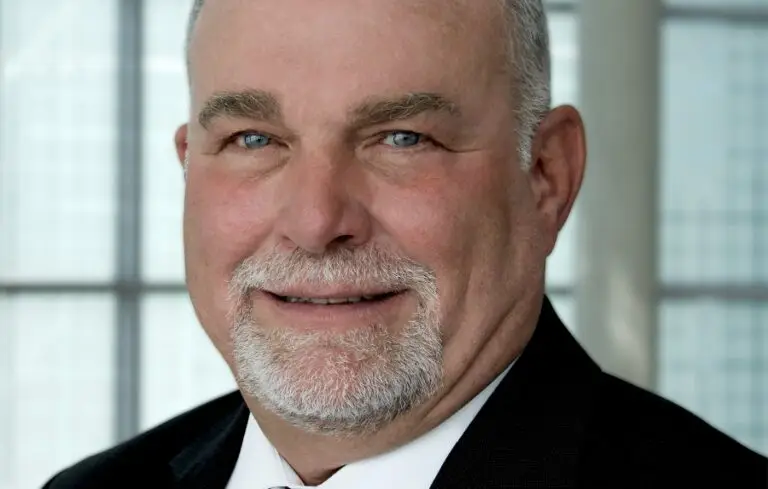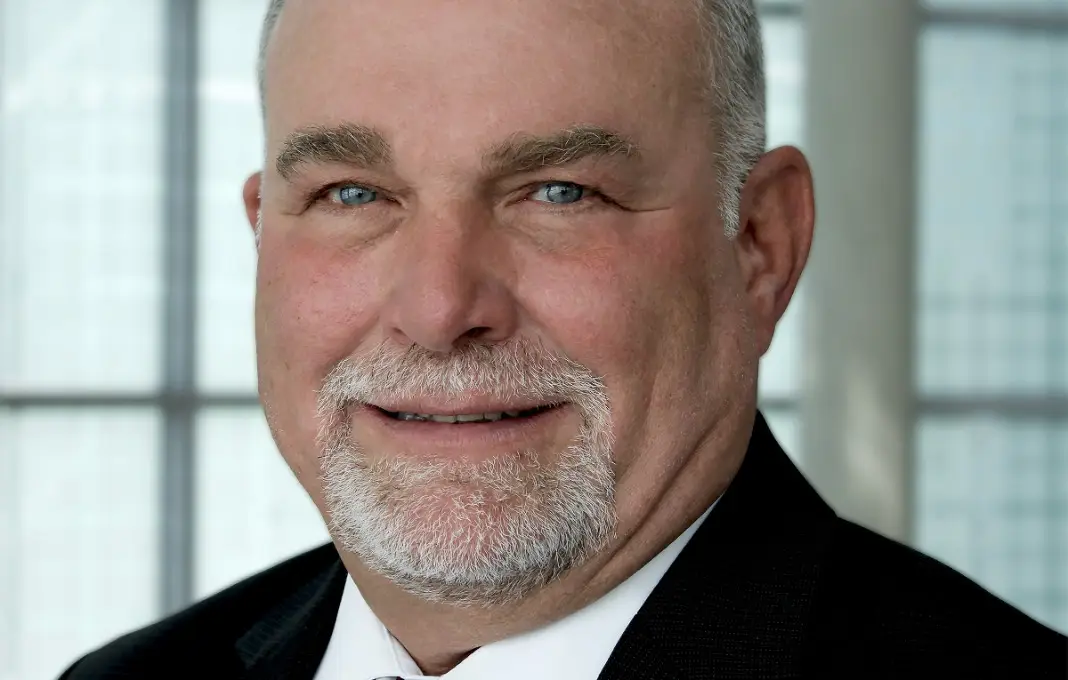
Not only does Kevin Hueser run a century-old food manufacturer, but one whose work impacts the entire U.S. food supply.
He is the president and CEO of Sioux Honey Association, a member-owned cooperative founded in 1921 with five beekeepers that now connects and supports more than 150 beekeepers nationwide. The company purchases all of the honey produced by the beekeepers, and manages everything on the business side, from R&D and marketing to storage and transportation.
While the U.S. produces less than 20 percent of the honey it consumes, critically, all of the honey sold by Sioux Honey Association is produced within the U.S. “Like all agriculture, beekeeping is experiencing consolidation and a shrinking in participation, threatening our food supply,” says Hueser. “Again, most consumers don’t understand the demands of beekeeping to be sustainable.”
In an interview with Chief Executive, Hueser gets into the operation details, the implications for domestic food production and some of the lessons he’s learned leading the honey co-op.
What’s it like to operate a cooperative manufacturing model in today’s market?
I grew up in agriculture, where co-ops are common. We are fortunate to have a great board that supports our efforts and shares our vision. There is profound satisfaction in knowing our successes are helping our members and the next generation be more sustainable.
Operating a cooperative manufacturing model in today’s market means putting people before profits and creating long-term stability for beekeeper families. At Sioux Honey, many of our members are multi-generational beekeepers, and the co-op exists to support them at every stage of the business.
One of the greatest advantages of the cooperative model is security. Every drop of honey a member produces is purchased and stored by the co-op, regardless of market conditions. Beekeepers never have to worry about finding buyers, storage costs or market uncertainty, allowing them to focus on the health of their bees and the quality of their honey.
The co-op also allows members to share resources that benefit everyone. Sioux Honey handles marketing, sales, transportation, storage and customer relationships while providing access to equipment, R&D and member support. Together, members have the strength and scale to compete in today’s marketplace while remaining independently owned.
Most importantly, Sioux Honey is member driven. Guided by an elected board of directors, the cooperative assures every decision is made with beekeeper families in mind, not outside shareholders. After more than 100 years, that shared commitment continues to make the cooperative model both resilient and relevant today.
What are the benefits of U.S.-based production versus global sourcing pressures?
Our core business is our brands and marketing our members’ crop. We have the privilege of marketing a U.S. farmed, farmer-owned brand. Our domestic raw material is nearly 100 percent sourced by our membership and delivered promptly after harvest. While we still deal with logistical opportunities, it is far less complicated and more reliable than our globally sourced raw material.
We do source raw material globally for some of our private-label customers and our industrial business. This is necessary to meet the massive and growing U.S. demand for honey. The U.S. produces less than 20 percent of its consumption. There are unique challenges around sourcing, pricing, certifications, ocean freight costs, transit time, global politics and policies. We have great broker partners who help us with these challenges and internal strategies to mitigate risk.
What is the role of beekeepers in supporting the national food supply?
Maintaining a healthy pollinator population is critical to the national food supply. One in every three bites of food we consume is the result of a pollinator. This is a fact unknown to most consumers today and needs to be communicated more widely. The honey they harvest is their smallest contribution.
Like all agriculture, beekeeping is experiencing consolidation and a shrinking in participation, threatening our food supply. Again, most consumers don’t understand the demands of beekeeping to be sustainable. The movement of the bees geographically, the labor required and the skill to keep them healthy.
How is consumer demand for transparency reshaping food manufacturing?
Food manufacturers have been and will continue to find ways to communicate what’s going into their products, where they come from and validation for those statements. Consumer trust is paramount.
At Sioux Honey, transparency starts with our beekeeper families. Because our honey is sourced from U.S. beekeepers who are members of the cooperative, we know exactly where our honey comes from and the people behind it. Consumers increasingly want confidence in the origin and quality of their food, and U.S. farmed honey provides that assurance.
Today’s shoppers are looking beyond the label. They want to support products made by real farmers, produced responsibly and backed by trusted relationships. As a cooperative owned by American beekeepers, Sioux Honey can offer a level of transparency and accountability that resonates with consumers who care about supporting U.S. agriculture and knowing the story behind the food they buy.
What’s next for your co-op?
We are in an exciting time for our co-op, with multiple projects in the works to include growing our membership, new innovative product offerings, new ERP platform, expanded warehouse purchase, new corporate office with room for an expanded workforce and designing a new state-of-the-art processing facility. Our board approved the plans last month, and we are now moving forward with construction.
Tell us about the leadership lessons you’ve learned over your own career journey.
I was barely 20 years old when I was allowed to manage people for the first time in a beef packing house with the IBP, now Tyson. My career path has included time in operations, HR training and development, sales, procurement and executive leadership roles.
In terms of professional growth, appreciation of three distinct topics comes to mind:
Organizations are not built on employees but on people. Take care of them, recognize them and appreciate them.
The value of culture. Successful organizations are driven by their culture. It is the personality of the company and the driver of continuous improvement. Culture is not a poster on the wall. It starts with leadership, living the example, nurturing the organization and permitting them to champion it.
Always be humble. Very few, if any, are independently successful, but the result of the people who have supported them on the journey. Recognize them, not your title and pay it forward.