Everyone’s obsessed with keeping their options open, but options without execution aren’t very useful. The people winning are the ones who picked something and got really, really good at it. Commitment is a competitive advantage.
I learned this lesson firsthand. A few years after starting my podcast The Learning Leader Show, I was at a crossroads. The show’s success had opened unexpected doors: keynote speaking opportunities, leadership development training requests and executive coaching offers. But I was still working as the vice president of sales at a large company, leading a team responsible for over 500 million dollars in annual revenue. I was trying to do it all, and I started to notice a bad pattern: I was becoming average at everything instead of excellent at anything.
The choice became clear: either scale back my growing media presence and the opportunities it created or leave corporate America to focus entirely on this accidental business I’d built. I chose the latter. What could happen if I gave everything I had to build a media and leadership consulting business? I wasn’t sure, but I knew that 100 percent commitment was the only way to find out.
The first couple of years after making that choice in late 2017 were tough. While I had good clients, the money didn’t match my VP salary and bonuses. But each year since making that commitment has been better than the one before it. Now, I can’t imagine doing anything else. There was simply no way to discover this path’s potential without first making that complete commitment and sacrifice.
Sometimes, the only way to know if something will work is to eliminate all other options and throw yourself fully into the pursuit. When we commit to a path, be it a relationship, a business or a craft, we unlock levels of achievement that are impossible to reach with one foot out the door. But commitment is scary because it means saying no to other possibilities. It means accepting that we can’t have everything, be everything and do everything. It requires us to make peace with the paths not taken
Maybe this is why our culture has developed such an attachment to optionality. It feels safer. Less painful. We tell ourselves we’re being smart, strategic, keeping our powder dry. But often, we’re just avoiding the discomfort of commitment, the vulnerability of going all-in on something that matters. The truth is that big achievements require complete commitment. It demands that we close off escape routes and fully own our choices. In a world obsessed with keeping options open, the courage to commit might be the rarest and most valuable asset of all.
But commitment to a path raises an important question. How do you build the relationships and opportunities that will help you succeed along that path? The answer might surprise you.
Be a Magnetic Leader
When Microsoft needed to build Azure, they faced a brutal challenge: create a cloud platform that could compete with Amazon Web Services while most of the company still thought the future belonged to desktop software.
Steve Ballmer (then Microsoft’s CEO) knew they needed someone exceptional, so they hired Dave Cutler, the legendary engineer behind Windows NT. Ballmer told the story to Acquired podcast hosts Ben Gilbert and David Rosenthal: “And then Cutler brings some of his, I’ll call Gang, his favorite guys. He brings them over because he’s a magnet for talent and we get started.”
Ballmer knew he wasn’t just hiring one engineer. He was hiring a team. Cutler brought with him a network of people who had worked with him before, who trusted his judgment and who knew that following him usually led to building something important. This is how magnetic leaders work. They don’t just change jobs; they bring entire teams of exceptional people who have learned that betting their careers on this person’s vision typically pays off.
Every strong professional relationship you build becomes an investment that appreciates over time. The colleague manager who calls you about an opportunity tomorrow. The person you collaborate with effectively could become the executive who brings you into their startup years later.
This compounds over time. One person who trusts your judgment can influence 10 hiring decisions over their career. Those 10 people can influence 100. The math works in your favor, but only if you consistently deliver and treat people well along the way. When talented people choose to follow you to new opportunities, it sends a message to everyone else. It suggests you’re worth betting on.
This creates a cycle where quality attracts more quality. Cutler’s team followed him because they had evidence of what working with him was like. They knew the caliber of problems they would solve and the standards they would be held to. That track record became more persuasive than any job posting or compensation package.
Magnetic leadership is built through how you handle the small moments that reveal character. How you respond to disagreements when everyone is stressed. Whether you share credit when projects succeed. How you react when things don’t go as planned. People remember these details. They notice whether you support your team during layoffs. They watch how you treat people who can’t help your career. These moments accumulate into a reputation that determines whether people will follow you into uncertain situations.
Building this magnetic quality requires thinking in decades, not quarters. You invest in long-term relationships. You prioritize team success over personal recognition. You maintain standards even when it’s inconvenient. This patience creates advantages that others can’t easily copy. While most people optimize for immediate results, magnetic leaders optimize for long-term trust and consistent value delivery.
The difference compounds over time. Being able to attract talent becomes more valuable as your career progresses. Each successful project, each strong relationship, each demonstration of reliable leadership adds to a reputation that opens doors you couldn’t access alone.
When companies face their biggest challenges, they don’t just want individual contributors. They want people who can attract and work with other exceptional people. That’s the difference between being hired for your skills and being hired for the talent upgrade you represent to the entire organization.
Becoming a magnet for talent isn’t about charisma or office politics. It’s about consistently delivering results, treating people well and building trust through reliable behavior over many years. For those willing to make this investment, it creates the kind of career leverage that compounds throughout your professional life and enables you to attack problems that would be impossible to solve alone. The best part? Once you develop this reputation, opportunities start finding you instead of the other way around.
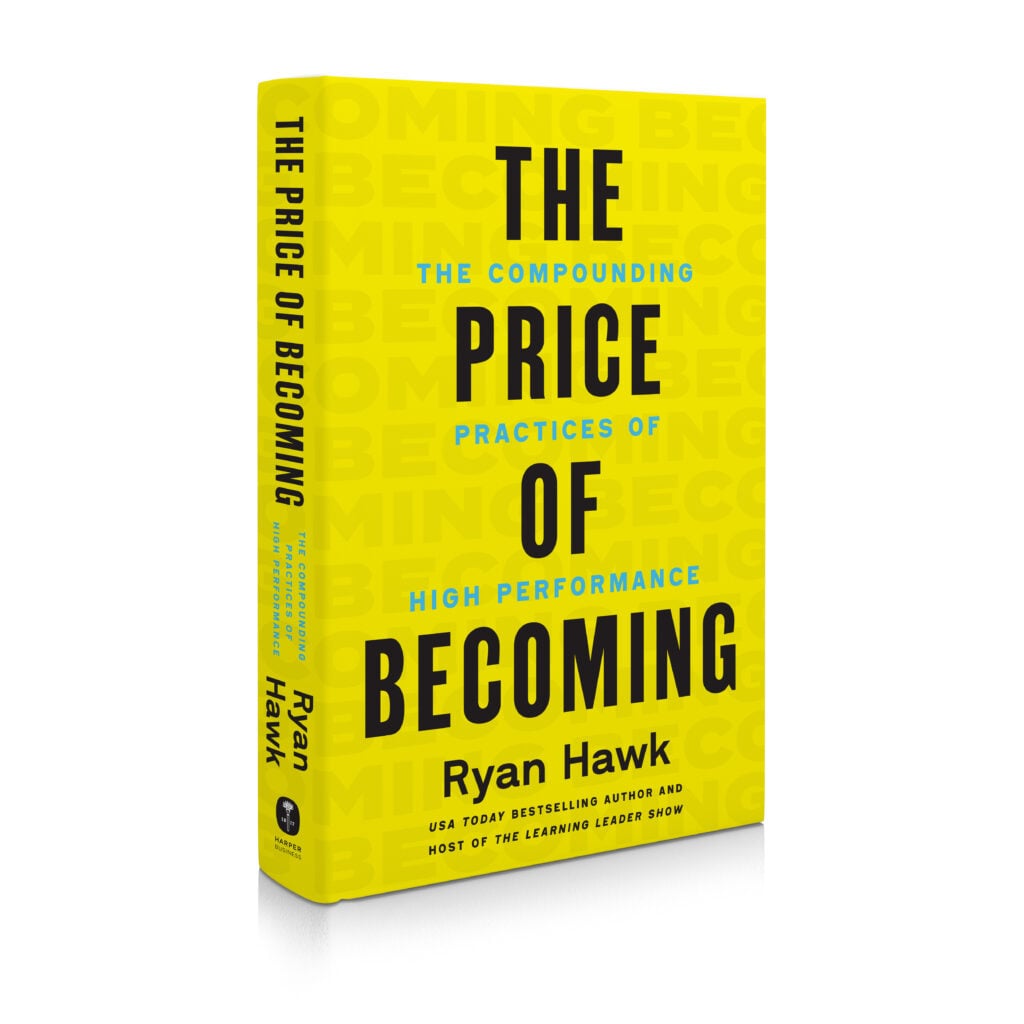
Excerpt from The Price of Becoming: The Compounding Practices of High Performance © 2026 by Ryan Hawk. Published by Harper Edge, an imprint of HarperCollins LLC.