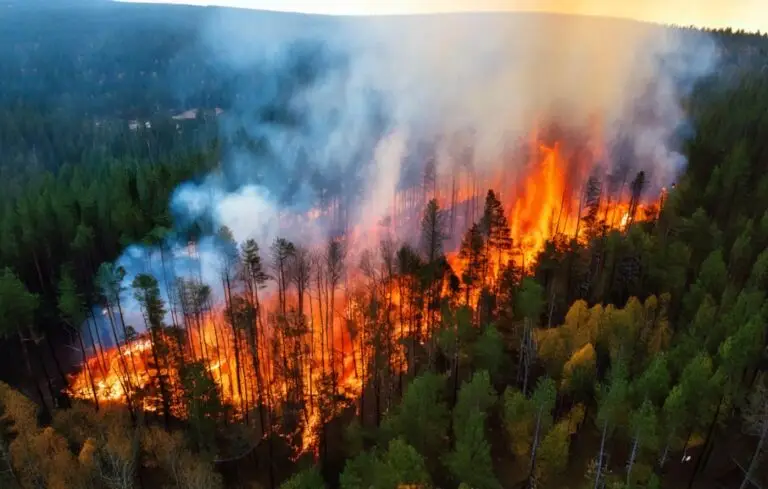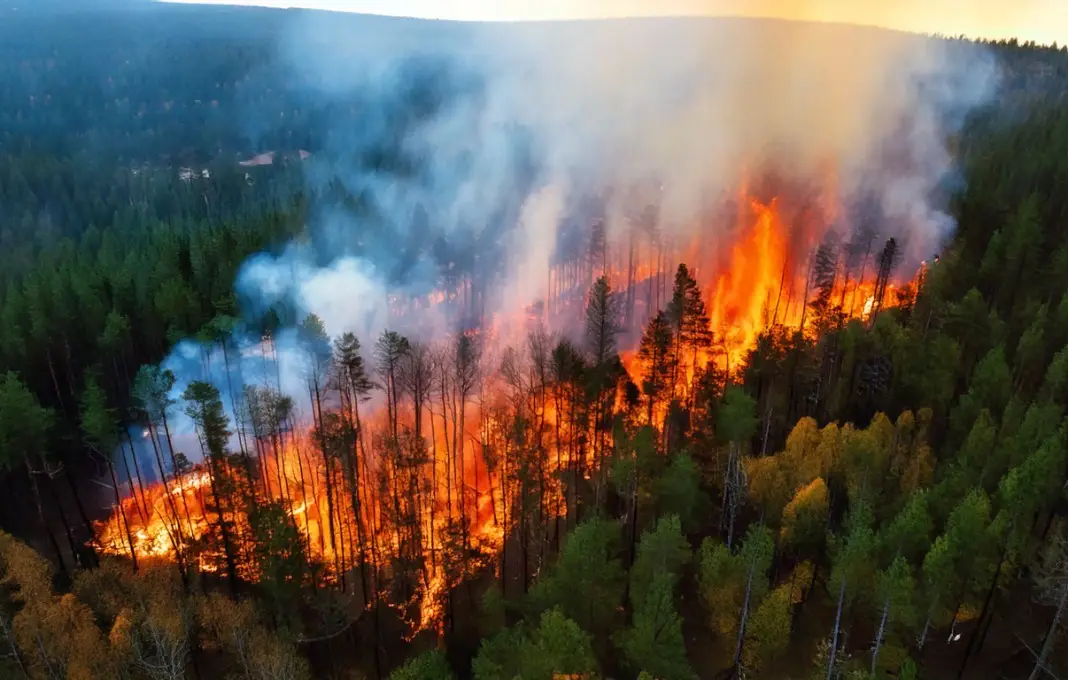
This summer, wildfires have forced evacuations across France, Spain, Germany, the UK, Croatia and Greece. More than a third of a million fled their homes in Spain and France alone, and prompted what was likely France’s largest peacetime evacuation, with an elevated fire risk reaching as far east as Romania, Hungary and the Balkans.
While death tolls are lower due to predictive technologies and warning systems, the chances are that some of your employees have been affected. They may not be able to show up to work for weeks. They might be sleeping in a school gymnasium, a shelter or a relative’s spare room, with no capacity to focus, perform or cope at work.
How many CEOs have a strategy for that?
Most companies have a playbook for distant crises. Haiti, Bangladesh, a flood, an earthquake somewhere in the supply chain. For decades, the response has followed a familiar formula: a statement, a donation-matching program, maybe a paid volunteer day that helped when the crisis was far removed.
With the displacement of employees, CEOs must reckon with how the company supports its people, and how the organization itself is contributing to climate disruption, before the next one—because there will be a next one.
The employees affected by this summer’s wildfires across Europe aren’t experiencing a crisis at a traditional supply-chain distance. They’re the ones with “boots on the ground”—literally displaced, likely traumatized and now among the fastest-growing category of employee that organizations need to develop a policy for: the climate-affected.
Going far beyond climate-aware or climate-concerned, the climate-affected, in the clinical sense, are those who have lived through an acute climate event—and they’re going to keep showing up to work carrying that grief and trauma in their bodies. The data backs this up: exposure to natural disasters is linked to higher rates of PTSD, depression and anxiety, and heat waves alone have been shown to increase hospital admissions for mental health conditions by more than 7 percent.
This breaks the old playbook in three ways:
Mind the Gap: Climate disruption is no longer a remote problem. It’s not confined to Europe, either: Canada has recorded 4,793 wildfires and 4.1 million hectares burned this season, with the province of Ontario hit hard enough to evacuate several First Nations communities. The U.S. has seen more than 51,000 wildfires burn more than 7.8 million acres this year—166 percent of the 10-year average, according to the National Interagency Fire Center. When your people are experiencing this crisis in the moment, the gap between the usual “thoughts and prayers” and an employee who needs somewhere to sleep tonight is a new operations problem an organization will need to solve, and most companies don’t yet have the infrastructure for that.
Distressed Employees Need Help: It isn’t over when the fire is out. Displacement, property or financial loss, health impacts, and the specific grief of watching a place you love burn don’t resolve at the end of the news cycle. Affected employees carry the mental health and productivity impact for months or years, and most return-to-work assumptions don’t account for a complete life rebuild that can take years to recover from. Climate-linked disasters will cost businesses an estimated $2.4 trillion in lost productivity by 2030, according to the World Economic Forum. And that’s before counting the cost of a single distressed employee, which research conservatively puts at roughly $15,000 a year in lost output, healthcare and turnover. Extreme heat compounds this: productivity drops roughly 2.2 percent for every degree Celsius above 18C, and heat waves already cost the global economy about 1 percent of GDP a year, according to Roland Berger.
Be Prepared Now and Tomorrow: With repeated heat waves creating a new category of workforce disruption, companies must create a standing climate support playbook much like an organization would for a data breach, or a supply chain shock. UN Secretary-General António Guterres made the same point in July, telling businesses and governments to stop treating each disaster as an isolated tragedy and recognize the “systemic risk that is unfolding before our eyes.”
This new norm requires four urgent steps:
- Find out who’s affected right away. Most companies have no mechanism to know which employees are affected until someone doesn’t show up for work due to power outages, lost communications or lost devices. A one-question pulse check (“Are you or your household affected by the wildfires, evacuation or extreme heat?”) sent through whatever channel already reaches your workforce fastest is a same-day fix.
- Make leave usable immediately. Most companies already have bereavement leave, emergency leave or PTO on the books. Displaced employees may be traumatized, and many won’t know it applies to them, or will fear it counts against them. Managers need explicit authorization, in writing, to approve time off without escalation.
- Brief managers before they’re asked. A manager with a displaced direct report needs a five-minute script and coaching support on what to say, what not to ask and who to call if the employee needs more than time off. Most companies have this for bereavement, but not displacement.
- Build the standing playbook now. This is an annual risk, and employees and customers will be looking to companies that implement support plans.
Support and care for displaced employees requires a CEO willing to treat “our people are currently displaced by a climate disaster” as an operational fact with a compassionate, same-day response.