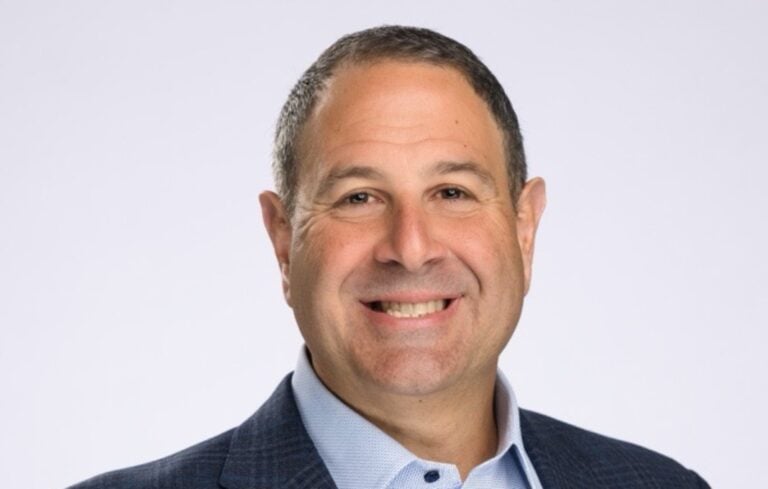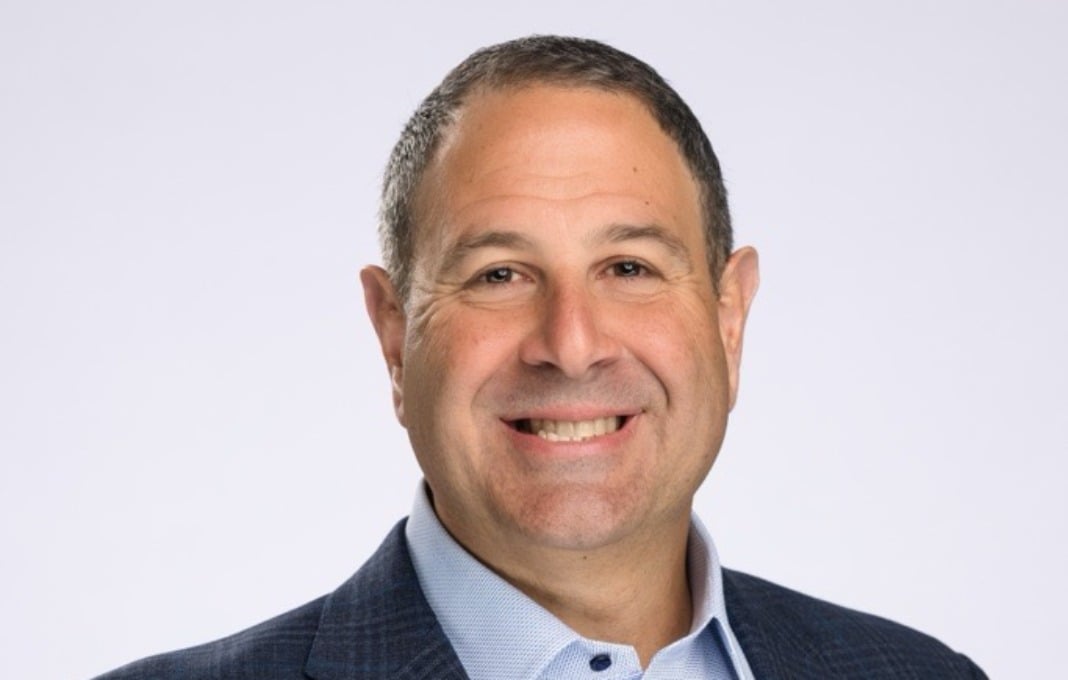
When John Gallucci Jr. opened the first JAG Physical Therapy clinic in West Orange, N.J., in 2005, managing the culture meant walking down the hall. He knew every patient’s progress, every employee’s name and could fix most problems before lunch. Two decades later, JAG operates more than 185 locations across multiple states, and the founder who once embodied the company’s culture has had to figure out how to hand it off without watering it down. “Culture doesn’t scale by itself,” says Gallucci, who is a physical therapist and a certified athletic trainer as well as CEO of JAG Physical Therapy. “You have to be intentional about it.”
His answer has been to grow leaders as deliberately as he grows locations. JAG promotes heavily from within, so a clinician can start as a student and move up to staff therapist, clinical director and regional leader. It gives its clinical directors wide latitude to run their clinics as anchors in their communities rather than storefronts with a corporate sign. Gallucci also still visits clinics himself to hear what never surfaces in a leadership meeting. He spoke with Chief Executive about what he refused to change as JAG scaled, what he had to let go of from the “mom and pop” days, and what any fast-growing CEO should put in place before the organization starts to feel impersonal.
As JAG Physical Therapy began growing, when did you first realize the culture itself could become a casualty of growth?
When I opened our first clinic in West Orange in 2005, everybody knew everybody. I knew what was happening with our patients, I knew what was happening with our employees, and I could solve a problem by walking down the hall. As we grew, I realized that I couldn’t be the person responsible for carrying the culture anymore. If the culture was going to survive, we had to build leaders who understood it and would carry it forward.
The biggest thing I learned is that culture doesn’t scale by itself. You have to be intentional about it. That’s why I talk so much about people caring for people. That’s really what our culture comes down to. It’s how we treat our patients, how we treat our colleagues and how we show up in the communities we’re part of.
What does your “inside-out strategy” actually look like in practice? What are the specific things you and your leadership team do differently because of it?
We invest in our people. We mentor young clinicians. We create opportunities for people to grow into leadership. We give people the ability to build a career instead of simply giving them a job. That’s something I’ve talked about for years because I genuinely believe your people are your greatest asset.
But it’s about more than just professional development. It’s about giving people the opportunity to take ownership, make an impact and become leaders in their own communities. Our clinical directors are a great example of that. We put them front and center, give them the tools and resources they need to succeed, and invest in their growth through comprehensive training, mentorship and leadership development. Then we empower them to take ownership of their clinics, build relationships within their communities and establish themselves as the trusted physical therapy leaders in their markets.
Ultimately, when we invest in our people and empower them to lead, everybody benefits. Our clinicians have a path to grow, our communities have trusted healthcare leaders they can turn to, our patients receive exceptional care and our business becomes stronger. That’s how you build something sustainable. You don’t just grow a business by opening more clinics; you grow it by developing great people who have the opportunity, the support and the autonomy to make each clinic successful.
How do you maintain executive visibility and connection when employees are spread across multiple states and dozens of locations? What systems or routines have you built around that?
I think the biggest thing is that you can’t lead a company this size exclusively from your office. You have to get out and be with your people. I still make a point of getting into our clinics and talking to our teams. I want to see what’s happening firsthand. I’ll talk to a physical therapist, I’ll talk to a patient access team member, I’ll talk to a clinical director. Those conversations are incredibly valuable because you’re hearing things that you may never hear in a formal leadership meeting.
And I’ve always believed that communication has to work both ways. It’s easy for leadership to communicate what we want the organization to do. What’s harder, and much more important, is creating an environment where information can come back up to leadership, where people feel comfortable sharing what’s working, what’s not working and what they believe we could be doing better.
But it can’t stop at simply listening. If we’re going to ask our people to share their perspectives, we have a responsibility to take that feedback seriously and do something with it. Sometimes that means addressing a challenge in a particular clinic. Other times, it means identifying a broader opportunity to improve a process, change a policy or rethink how we’re supporting our teams across the organization. The people on the front lines are often the ones who understand our challenges and opportunities best because they’re experiencing them every day.
As an organization grows, it’s easy for leadership to become removed from the day-to-day realities of the business. I never want us to lose that connection. We have to make sure that the voices of our clinicians, clinical directors and support teams don’t just reach the top of the organization, but actually influence the decisions we make. To me, that’s what effective leadership looks like: being present, listening with an open mind and translating what we hear into meaningful action.
You can’t just create a channel for communication; you have to create a culture where people know their voices matter because they can see the impact their feedback has on the organization.
Many of your senior leaders started in clinical or entry-level roles. Was building leadership from within a deliberate strategy from the beginning, or did that emerge over time? How do you identify people with the potential to move up?
At JAG Physical Therapy, we are invested in our people and want to see them grow. I look for people who take ownership. People who see a problem and try to solve it. People who want to help the person next to them. People who are willing to learn. And I look for people who understand that leadership is about serving other people, not having a bigger title.
Somebody might start with us as a student, become a staff therapist, then a clinical director, then a regional leader. We’ve seen that happen repeatedly. We’re not just growing locations; we’re growing people.
What have you deliberately refused to change as the company has scaled, even when changing it might have made operations easier or more efficient?
We’ve refused to change the way we think about the patient.
I’ve always believed that every patient should be treated like a VIP and like a professional athlete. That doesn’t mean everyone is a professional athlete. It means that if a grandmother wants to get back to gardening, a firefighter needs to get back to climbing a ladder or an athlete wants to get back on the field, their goal matters just as much. Everyone has something they’re working toward, and our job is to help them get back to the life they love.
That same philosophy extends beyond our clinics. Since the very beginning, JAG Physical Therapy has been ingrained in the communities we serve. We’ve never believed our responsibility ends when a patient walks out the door. We’re part of these communities, and we have an opportunity to make a difference in people’s lives long before they ever need physical therapy.
For us, that means showing up. It means supporting local schools, youth sports programs, charitable organizations, community events and the causes that matter most to the people who live and work in our neighborhoods. It means educating people about injury prevention, physical health and the importance of taking care of themselves. It means giving our time, our expertise and our resources to organizations that are making a difference. Whether we’re providing athletic training at a local sporting event, educating a community about injury prevention, supporting a charitable fundraiser or helping a young athlete safely return to the field, we want to be a partner people can count on.
And we believe there’s something particularly meaningful about having our own clinicians lead that effort. Our physical therapists and clinical directors live and work in these communities. They understand the people they serve, the challenges they face, and the organizations that bring those communities together. When we empower our teams to get involved, share their expertise and support local initiatives, we’re building relationships that go far beyond a traditional healthcare provider and patient relationship.
I don’t want JAG Physical Therapy to be a company that opens a clinic, puts a sign on the building and waits for patients to walk through the door. We need to earn our place in every community we enter. We do that by building trust, being accessible, educating people, supporting local causes and demonstrating that we’re invested in the long-term health and well-being of the people around us.
Conversely, what did you have to let go of from the mom-and-pop days because it simply didn’t work anymore at larger scale?
I think one of the biggest things you have to let go of is the idea that you can be involved in every decision and personally oversee every aspect of the business. In the early days, that level of involvement can be a real strength. You’re close to everything, you know everyone and you can make decisions quickly. But as you grow, what made you successful in the beginning can eventually become what holds you back.
You have to learn to let go of control without letting go of accountability. You can’t scale an organization by expecting everything to run through one person. You have to build a team of leaders you trust, establish processes that create consistency and give people the authority to make decisions within their areas of responsibility. That means moving from being the person who solves every problem to developing people who can solve problems themselves.
For us, that has meant investing in the infrastructure, technology and leadership development necessary to support a much larger organization. You can’t operate 185-plus facilities the same way you operate a handful of clinics. You need systems, structure and accountability. You need to be intentional about how you communicate, how you measure performance and how you ensure that patients receive the same high level of care regardless of which clinic they visit.
When you enter a new market, how do you make sure a new location feels like JAG Physical Therapy rather than simply another clinic with your name on it?
We don’t want to just put a JAG Physical Therapy sign on a building; that’s not how we look at expansion. Every clinic needs to become part of its community. That’s something I’ve been very intentional about from the beginning. When we enter a market, I want the people working there to understand the community, build relationships and figure out what that community actually needs.
For me, expansion has never been just about finding a location, opening the doors and generating revenue. It’s about establishing a presence and earning the trust of the people who live and work there. Every community is different. The healthcare providers, schools, athletic programs, local businesses and organizations that bring people together vary from one market to the next. We need to understand those dynamics and identify where we can make a meaningful contribution.
A big part of that is putting the right people in place. Our clinical directors are incredibly important to this process because they’re not just managing a clinic; they’re representing JAG in their communities. We invest in their development, give them the tools and resources to succeed, and empower them to build relationships with local physicians, schools, athletic programs and community organizations. We want them to become the trusted physical therapy leaders people turn to when they need help, education or guidance.
At the same time, we have to maintain the standards that define JAG Physical Therapy. Regardless of where someone walks through our doors, they should experience the same commitment to clinical excellence, personalized care and treating every patient like a VIP. We have the infrastructure, training and resources of a larger organization, but we never want the patient experience to feel impersonal. Our scale should make us better equipped to serve our communities, not less connected to them.
What have you learned about the relationship between culture and retention? Are there particular practices you can point to that have had the biggest impact on keeping people?
I think culture and retention go hand in hand. From the beginning, one of the things we’ve consistently preached at JAG Physical Therapy is that we have a responsibility to provide our people with personal, professional and financial growth. That commitment is at the core of how we lead and how we define success. If you take care of your people, invest in their development and make them feel like they’re part of something meaningful, you create an environment where they want to build a career.
In physical therapy, our people are everything. They’re the ones building relationships with patients, helping people get back to the activities they love and representing us in the communities we serve. You can’t build a great healthcare organization without great clinicians, and you can’t retain those clinicians if you don’t invest in them.
One of the things I’m most proud of is the opportunity we’ve created for people to grow within JAG Physical Therapy. We bring in young clinicians, mentor them, invest in their clinical development and give them a path toward leadership. I want a physical therapist joining us today to be able to envision where they could be five or 10 years from now. They might become a clinical director, lead a team, build relationships in their community or take on a larger role within the organization. We want people to see that they can build a career here.
Finally, I think people want to be part of an organization that stands for something. At JAG Physical Therapy, we’re committed to clinical excellence, but we’re also committed to the communities we serve. Our teams have opportunities to educate people, support local organizations, work with schools and athletic programs, and make a difference beyond the walls of their clinics. That gives our people another reason to be proud of what they do.
Ultimately, I don’t think retention comes down to one particular program or initiative. It’s about how you treat people every day. You have to create an environment where people feel supported, challenged, appreciated and empowered to grow. I’ve always believed that our greatest responsibility as leaders is to develop other leaders. If we do that well, we don’t just build a stronger business. We build an organization where talented people want to stay, contribute, and grow alongside us.
Was there ever a period of growth when you felt the culture slipping? What were the warning signs, and what did you do about it?
I wouldn’t necessarily point to a time when I felt our culture was slipping, but I can point to a time when protecting our culture and bringing our people together became more important than ever, and that was COVID.
Healthcare organizations were facing an unprecedented challenge. We were navigating constantly changing guidance, uncertainty around patient care and very real concerns about the safety of our employees, our patients and their families. Our clinicians were on the front lines, and our support teams were working hard to keep the organization moving forward. As a leader, I knew that how we communicated, supported one another and made decisions during that period would say a lot about who we were as an organization.
For me, it reinforced that culture isn’t something you talk about when business is going well. It’s something you have to demonstrate when things are difficult. Our people needed to know that leadership was present, that we were listening and that we were making decisions with their well-being and the patients who depended on us in mind.
We had to be intentional about communication, staying connected to our teams, sharing information as circumstances changed, and making sure our people understood what we knew, what we didn’t know and how we were responding. We also had to recognize that every clinic and every employee was experiencing the situation differently. There wasn’t a one-size-fits-all answer to every challenge, so we had to listen to our teams and remain flexible while continuing to deliver care to the communities that needed us.
I think those moments also reinforced the importance of our local leadership. Our clinical directors were instrumental in supporting their teams, maintaining relationships with patients and helping their clinics navigate an incredibly challenging period. They needed to know they had the backing of the larger organization, and we needed to give them the tools, information and support to lead effectively at the local level.
The lesson for me was that, as an organization grows, you can’t assume that culture will take care of itself. You have to work at it. You have to communicate, remain accessible, listen to your people and make sure they understand that they’re part of something bigger than their individual clinic or role. And when people are facing uncertainty, you have to lead with empathy and give them confidence that you’re navigating the challenges together.
Looking back, COVID reinforced something I’ve believed since the beginning: Our culture isn’t defined by how many locations we open or how quickly we grow. It’s defined by how we show up for our people and our communities when they need us most. Growth gives us more resources and greater reach, but it also gives us a greater responsibility to stay connected, support our teams and preserve the values that got us here in the first place.
For a CEO who is growing quickly and worries that the organization is becoming less personal as it gets bigger, what would you tell them to put in place before that happens?
I would tell them to be intentional about culture before growth forces them to be. One of the biggest mistakes you can make as a CEO is to assume that the things that made you successful as a smaller organization will automatically carry over as you get bigger. They won’t. You have to build the infrastructure to support growth, but you also have to be deliberate about protecting the personal relationships and values that got you there.
The first thing I would put in place is a strong leadership team that understands the culture you’re trying to build and is committed to living it. You can’t be everywhere as a CEO, particularly when you’re operating across multiple markets. You have to develop leaders who share your values, understand your expectations and know how to translate those values into the day-to-day experience of their teams. At JAG Physical Therapy, that means empowering our Clinical Directors to lead their clinics, develop their people, and build meaningful relationships within their communities. We want them to have the autonomy to lead, but also the support of an organization that is invested in their success.
Second, I would establish a culture of two-way communication early. It’s easy for information to flow down through an organization. What’s much harder is making sure information flows back up and that leadership actually acts on what it hears. You need to create opportunities for employees at every level to communicate directly with leadership, share ideas, raise concerns and help shape the direction of the business. And you have to close that loop. If people take the time to share feedback, they need to see that it matters.
Third, I would invest in people development from the beginning. Don’t wait until you’re a large organization to start thinking about leadership training, career paths, mentorship and succession planning. If you want to grow, you need to grow your people alongside the business. You want employees to see a future for themselves within the organization, whether that means becoming a stronger clinician, taking on a leadership role or helping the company expand into new markets.
Finally, I would make sure the organization never loses sight of the communities it serves. At JAG Physical Therapy, we’ve always believed that opening a clinic is only the beginning. You have to build relationships, support local organizations, educate the community and earn people’s trust. That starts with empowering the people on the ground to become leaders in their own communities.