In sports, the greatest growth rarely happens under the lights. It happens in the film room—and that’s exactly the spirit of this series. With more than 250 episodes of Corporate Competitor in the archive, we wanted to step back and study the biggest themes that drive winning organizations.
Today’s theme is success without burnout. In this edition, we go back to the tape that shows up in almost every one of our Corporate Competitor interviews: how to build something great without losing your family, your health or yourself along the way.
You’ll hear from former NBA star Shane Battier, longtime Ford and Boeing executive Alan Mulally, Cisco’s Sophie Stevens, SailPoint’s Mark McClain and Nutrabolt’s Doss Cunningham, all of whom ponder the question: What if the thing holding back your leadership isn’t your business, but everything you’re giving up to build it?
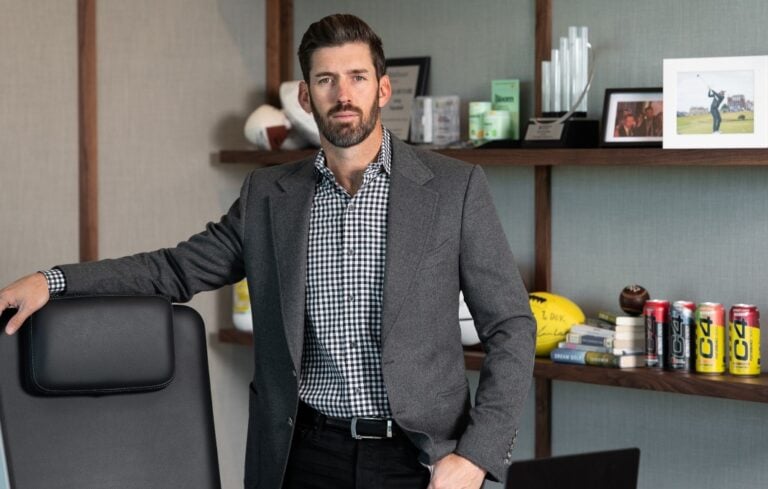
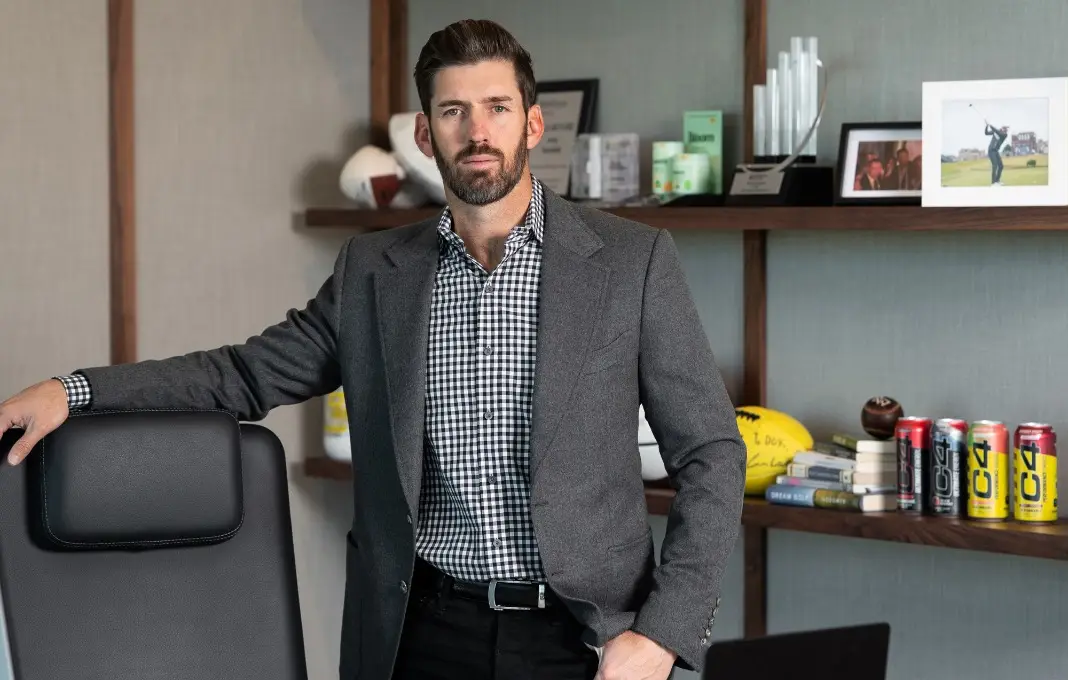
When it comes to work-life balance, Nutrabolt CEO Doss Cunningham paints a vivid picture. Think of a giant mountain, he says. Navigating it and managing all of its pitfalls is one thing. Even scaling it all the way to the top is great. But then what? “I see so many entrepreneurs go on this path,” he explained to me on the podcast. “They find themselves ats the top of the mountain having achieved so much…but then everything else is kind of left behind.”
SailPoint CEO Mark McClain brings the idea down to something even more simple. For McClain, you get out of something precisely what you put into it. He broke his philosophy down to me on the podcast, saying, “If you are awesome at business, but you don’t intentionally spend time on the many other dimensions of your life, you will likely have a really great business and not a great life.”
Two-time NBA champion Shane Battier honed his perspective on the idea of balance while on the hardwood. The defensive stalwart who won two rings with the likes of LeBron James says everyone likes highlights, but it’s all that you do in between that matters most. For Battier, his career was defined by effort. He knows success is born in the time when no one’s looking—not the paltry 2 percent of the time he had the ball in his hands. “If you want to be great,” Battier told me. “You got to own the 98 percent.”
A few more takeaways:
• Success in your career can feel important. It can feel all encompassing. But there are moments, Cunningham explained, that matter more than you realize when you look back on them—especially when it comes to being a parent. “When are you going to spend more time at home?” he poses. “Like [when your child asks], When are you going to be able to come to my baseball game?”
• Former Ford and Boeing CEO Alan Mulally says that when things get too one-sided, it’s important to look to other people around you for perspective and assistance. “Everybody can help each other,” he says, “talk to each other about what’s working and what’s not.”
• And Shane Battier takes it back to sports, saying that while highlights and big scoring numbers are eye-catching, there is real glory that comes in the work outside the spotlight, in the stuff that maybe only the other coaches see. “That’s where the magic happens,” he says.
Yes, that’s what the film room is all about. Finding the gems, the bits of wisdom that can, in the end, separate the great from the greatest in their fields. As it turns out, that includes being great at more than just your day job.