In the Crisis Negotiation Unit (CNU) of the FBI we trained with Scotland Yard as part of a professional negotiation exchange. One afternoon, I was standing on a loading dock, speaking down toward a man in a car. He gripped a knife and would not look at me. Nothing landed. Not the calm tone, not the open questions, nothing. Then I bent my knees and dropped to his eye level. Same words. Different posture. The moment I aligned my body with his and spoke to him as one person to another, something shifted.
His shoulders dropped. His grip on the knife loosened. The threat level fell.
The knife hadn’t moved. I had.
I had been trying to lead him from my position. The moment changed when I entered his.
Focused Curiosity begins there, with the discipline to understand the other person’s reality first.
In negotiation rooms and boardrooms alike, the difference between compliance and commitment often begins with the quality of your attention. Better questions help leaders read the human terrain before they ask others to act.
What is Focused Curiosity?
Focused curiosity powers influence. It is deliberate attention when stakes rise, listening with purpose and a sincere effort to understand the motivations, concerns and needs beneath the surface.
Too many leaders rush toward the finish line: defend their own position, chase the deal or try to win the argument. They talk faster, press harder and mistake motion for progress. Persuasion without connection is brittle.
When attention shifts outward, insight follows. Trust begins to form. Levers emerge that remain invisible to the hurried persuader. Without that connection, the rest of your effort weakens.
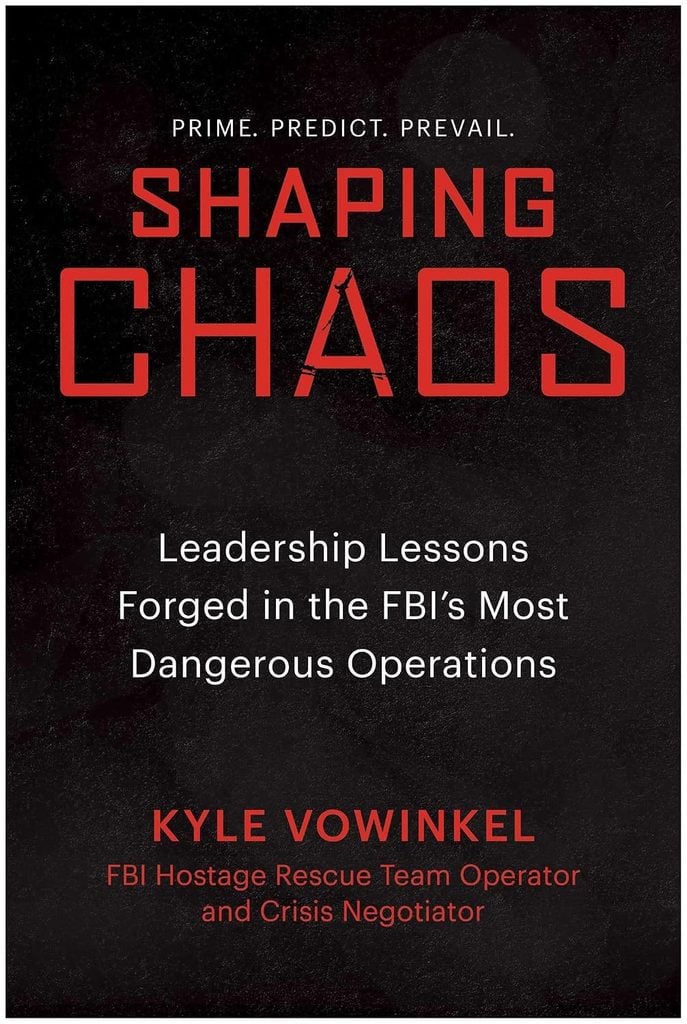
In the Bureau’s life-and-death negotiations, we used the Behavioral Change Stairway Model, pioneered by Gary Noesner, the first CNU chief, to earn voluntary behavioral change. In Shaping Chaos, I translate that logic into the Path to Influence for leadership environments, where alignment, not surrender, is the objective. Together, Framing, Empathy and Rapport form the runway for Influence.
Together, they create the conditions that make Influence possible.
- Framing is how you open. It captures attention by entering the other person’s reality, naming their stakes and signaling where the conversation is headed.
- Empathy is acknowledgment. It shows the other person that you recognize what they are experiencing.
- Rapport is where trust begins to take hold. It grows through
Framing: Open the Conversation
Framing is how you start, and it sets the trajectory for the conversation. In critical moments, people are trying to answer a few questions fast: Who are you, why are you here, what is this conversation for and what happens next? A strong frame answers those questions early and gives the other person enough clarity to stay engaged.
But framing is not just structure. It is also relevance. You capture attention faster when you speak to what the other person cares about: their incentives, risks, pressures and stakes. If your opening reflects only your agenda, people regularly tune out. If your opening shows you have taken the time to understand their world, they listen.
In practice, framing creates that structure through four moves: identity, intent, boundary and trajectory. Identity tells them who is speaking and why that matters. Intent explains why you are here and why the conversation matters on their side. Boundary clarifies what this time or space is for, so they know what to expect. Trajectory shows where the conversation is headed, so they are not guessing and you stay on track.
Consider this example: “This is Ashley from operations [identity]. Your team is in a bind from the last two shipment misses. I’m calling to get this fixed with you [intent], not rehash the whole history [boundary]. Let’s agree on the next step before we hang up [trajectory].” That kind of opening does not give away leverage. It creates structure, shows perspective-taking and earns you the right to lead the conversation.
Before a critical meeting, write one paragraph from the other party’s seat. Capture their incentives, risks and perspective. If you cannot, you do not know enough, so dig deeper. Then open the meeting by summarizing their vantage point. If they say, “Exactly,” you have earned the right to move the conversation forward. If they say, “Not quite,” their correction gives you the insight you need most.
Leaders who can articulate the other side’s reality earn authority before they ever state their own.
Empathy: Name What Is Real
After framing earns attention, empathy lowers resistance by naming what is true for the other person. Empathy is not agreement, it is acknowledgment. When people feel seen, they stop spending energy proving their pain, and they can start to listen. In practice, empathy is observation plus language: You reflect the loss, frustration or uncertainty they are carrying, without judgment and without rushing to solve it.
It often starts with emotional labeling: naming what the other person is likely feeling. You might say, “You seem frustrated because you committed this timeline to the board, and now your credibility is taking the hit.” That kind of acknowledgment creates openings. When people feel seen, their barriers lower. Then use open-ended questions to widen the space and surface what matters most beneath the stated complaint.
Ask, “What is most at stake for you here?” You can also ask, “What feels most difficult about this plan or deal?” That question often reveals the real issue, not just the loudest one.
Empathy is both humane and tactical. It signals respect, improves disclosure and gives you better data before you try to move the conversation toward solutions.
Rapport: Build a Shared “We”
If empathy says, “I see your reality,” rapport says, “We are similar enough to solve this problem together.” Rapport is alignment strong enough to make collaboration possible. It begins by finding a connection to what the other person cares about: their goals, constraints, pressures, reputation, team or timeline.
In a partnership conversation, it often begins when you name the shared desired end state before debating terms. You might say, “We both need a solution that protects your customer commitments and gives our teams a plan we can execute. If this drags out, both sides lose time and trust.”
That kind of language reduces distance and signals that you see their pressures, not just your own. Then ask, “Where are you carrying the most risk if we get this wrong?” That question surfaces priorities and constraints and helps you build a workable path forward.
Small acts of alignment signal respect before you ask for movement.
Actions to Try
- Identify and point out shared interests or constraints.
- Mirror language and phrasing naturally.
- Highlight common values and common purpose.
Psychologist Robert Cialdini’s Principle of Liking is simple: People open faster to those they experience as similar, cooperative or aligned. The point is not to manufacture similarity. It is to surface genuine alignment that already exists.
But alignment does not always start with you. Sometimes it starts with someone the other side already trusts. When direct trust is thin, identify a credible third party who is trusted by both sides, or whose fairness both sides respect. In the FBI, we called them third-party intermediaries. Their existing trust with the subject allowed them to serve as a bridge for us. You can do the same in business by looking across your network for trusted people who can help open a channel.
Excerpted from Shaping Chaos copyright © 2026 by Kyle Vowinkel. Reprinted with permission from Matt Holt Books, an imprint of BenBella Books, Inc. All rights reserved.