Finding and keeping the right talent is not getting any easier, and that makes a comprehensive approach to talent planning critical. However, a recent study from the National Center for the Middle Market (NCMM) found that less than half of medium-sized businesses (annual revenues between $10 million and $1 billion) are implementing key talent planning processes such as succession planning, development and performance management.
There is “clear room for improvement,” says Thomas A. Stewart, executive director of the NCMM, which is based at the Fisher College of Business at The Ohio State University. The study “underscores something that has been said again and again, which is that talent planning is a strategic process in which top management should be deeply engaged—starting with the CEO.”
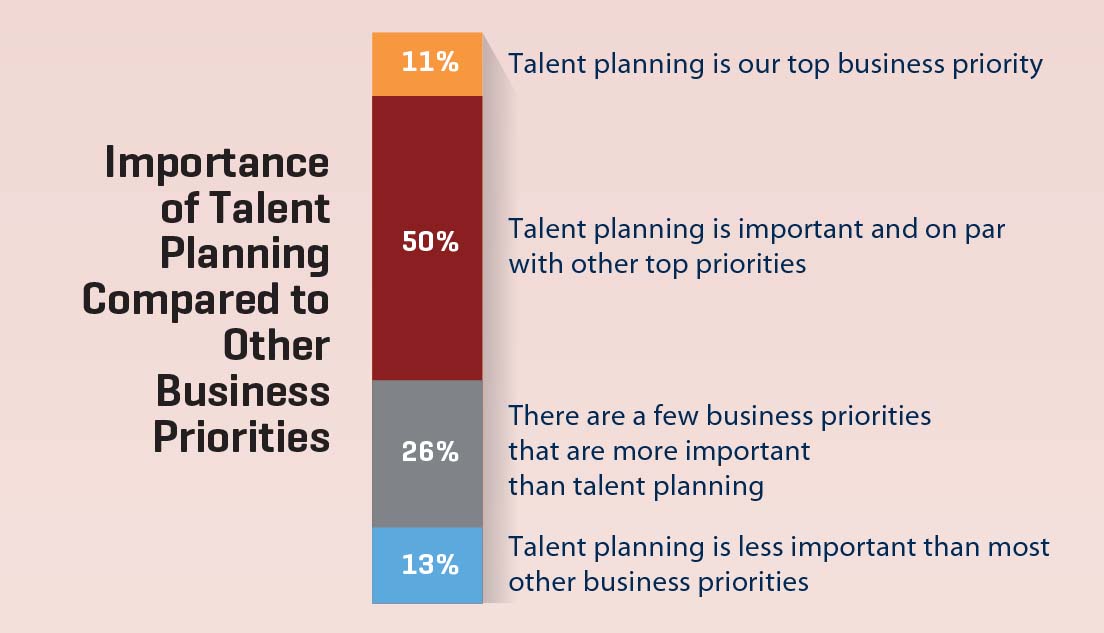
Talent Planning Is Seen as a Priority…
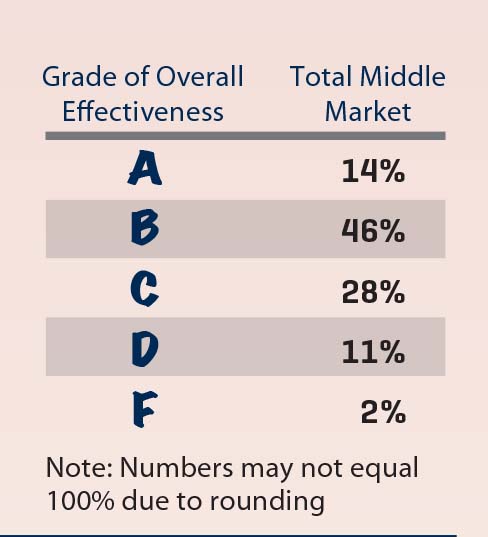
…But Companies Often Struggle to Plan Effectively
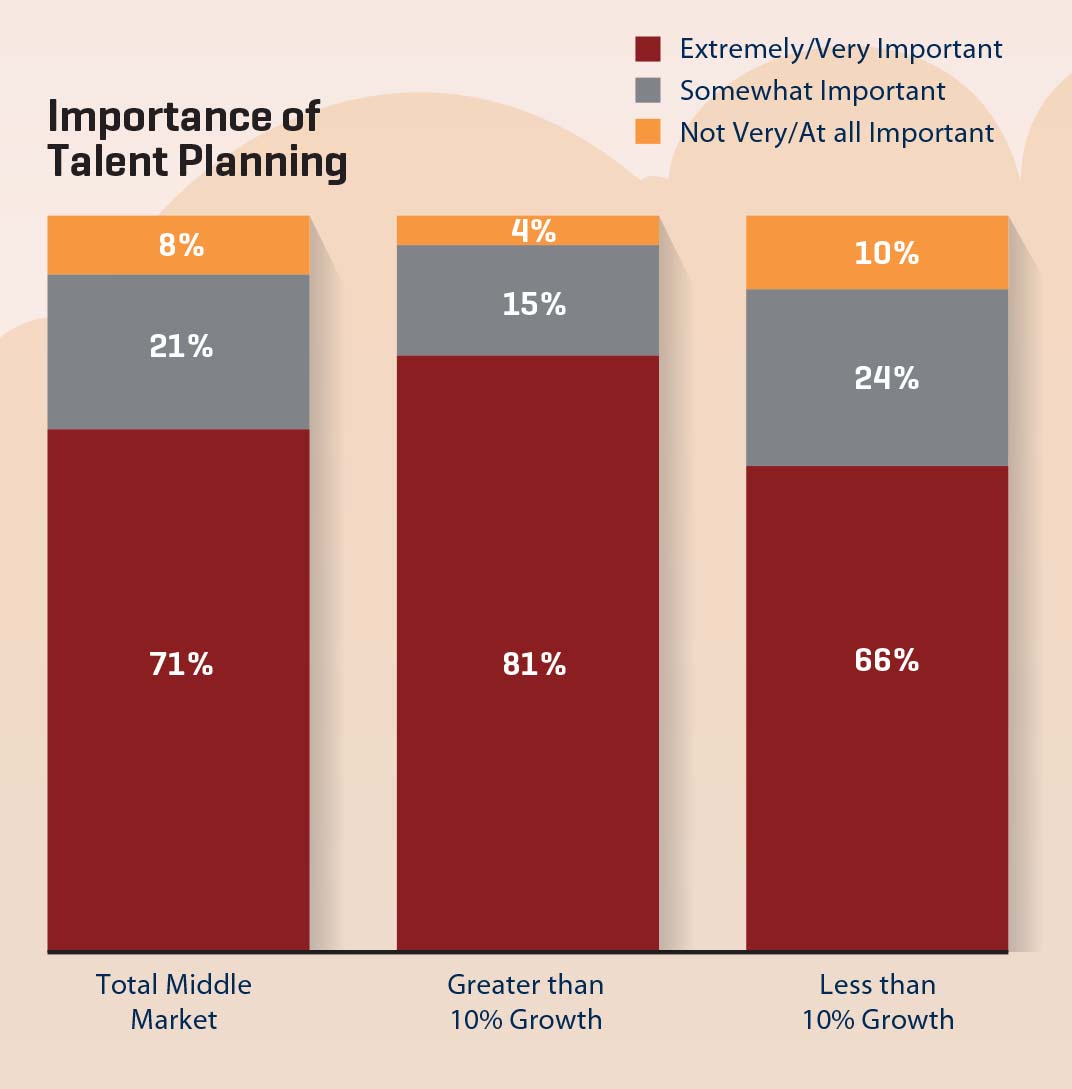
Talent Planning Is Good Business
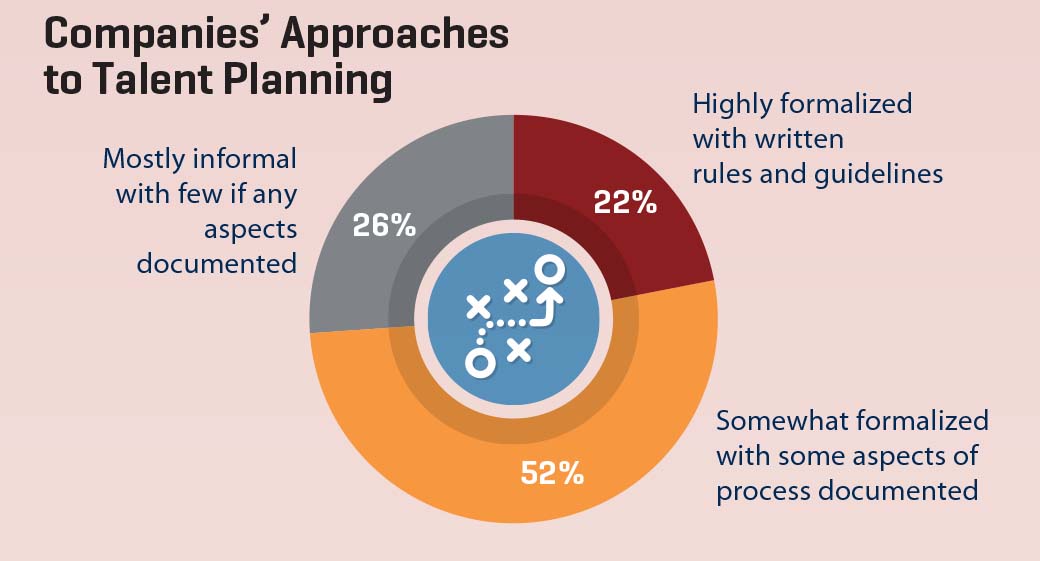
Missing: Systematic, Formal Planning
Implementation Lags in Key Areas
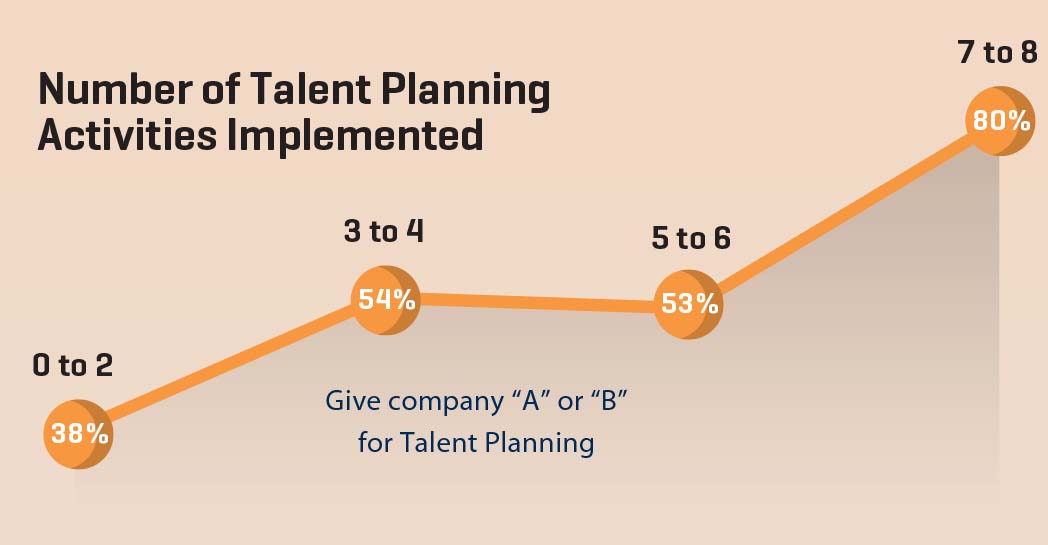
The More, the Merrier
that report high levels of talent-planning effectiveness.
Guidelines for Taking Action
The researchers developed a framework to help executives develop talent-planning programs, known as ABLE (Align, Build, Lead, Engage). “Senior executives often don’t
have a way to approach the problem,” says Stewart. The framework, he says, can provide just that, and companies can “use it as the basis for a day or half-day piece of talent-planning work by the executive team.”
Align talent planning with corporate business strategy. More than two-thirds of respondents said that aligning talent planning and business strategy is important, but just 29% of firms do so. Meanwhile, 40% of top-performing companies do take steps to align the two.
Build processes to enable successful talent planning. Stewart points to “the need to put in the right amount of process.” The right amount changes as companies grow. “You don’t want to overburden things with bureaucracy,” he says. “But you also don’t want to under-support things and continue being loosey-goosey when you’ve grown too big for that.”
Lead by example. Top leadership needs to be involved in talent planning—it should not simply be delegated to HR. Senior leaders at higher-performing middle-market companies are more likely to be a part of talent-planning efforts, compared to lower-performing firms.
Engage the organization. Get employees involved and ensure that they recognize the value of talent planning. Nearly three-quarters of firms where employees are engaged report that they handle talent issues well or extremely well, as opposed to about one-third of firms where employees are merely “compliant” with talent-planning processes.
Coordinated team departures are spreading across industries, creating new risks for talent retention, client stability…
Catamount Machine Works CEO Chris Basgall explains why manufacturers must build disciplined processes before embracing…
New president Ben Alge is leaning into the fast-growing RIA channel and active ETFs to…
For growth-oriented CEOs, it's not always about innovation, but knowing how to 'move decisively once…
Thirty years of watching change initiatives fail taught one CEO a hard truth: The thing…
Bots are about to own everything we can measure. What PTTOW!, the NFL and Keke…